
Energy Free Waterers
Recently viewed
Energy-Free Automatic Livestock Waterers for Cattle and Hogs
Provide dependable drinking water without the expense of operating an electric tank heater with Barn World's selection of energy-free livestock waterers. These insulated automatic watering systems are designed for beef cattle, dairy cows, hogs and commercial livestock operations where suitable installation conditions and adequate daily water consumption support operation without electric heating.
MiraFount energy-free waterers combine insulated polyethylene construction, automatic water replenishment and covered drinking openings to help retain the warmth of incoming groundwater during cold weather.
Choose from single-opening and multiple-opening energy-free cattle waterers, covered hog waterers and compatible insulated underground water supply accessories.
| Waterer Type | Capacity | Drinking Access | Application |
|---|---|---|---|
| One-Hole MiraFount | 15 gallons | 1 opening | Cattle and dairy livestock |
| Large One-Hole MiraFount | 30 gallons | 1 opening | Cattle and dairy livestock |
| Two-Hole MiraFount | 20 gallons | 2 openings | Cattle and dairy livestock |
| Large Two-Hole MiraFount | 44 gallons | 2 openings | Larger cattle groups |
| Four-Hole MiraFount | 70 gallons | 4 openings | Larger livestock groups |
| Six-Hole MiraFount | Confirm model capacity | 6 openings | Multiple-animal watering stations |
| Two-Lid Hog Waterer | 6 gallons | 2 lift-up lids | Hogs and sows |
| Four-Lid Hog Waterer | 15 gallons | 4 lift-up lids | Larger hog and sow groups |
Capacities represent listed reservoir volumes. Review individual product specifications for dimensions, drinking heights, recommended livestock capacities and installation requirements.
An insulated underground extension tube is also available as a separate accessory for compatible water supply installations.
Important winter operating requirement: Energy-free waterers depend on adequate livestock water consumption, incoming water temperature, protected underground plumbing and proper installation. Energy-free operation does not guarantee freeze-free performance under every climate or herd condition.
How Do Energy-Free Livestock Waterers Work?
Energy-free automatic waterers use the thermal properties of incoming groundwater, insulated reservoir construction and regular livestock water consumption to help maintain drinking water availability without an electric heating element.
Water enters the reservoir through a protected underground supply line. As livestock drink, an automatic valve opens and replenishes the water supply. Incoming groundwater helps replace heat lost from the reservoir during cold weather.
Insulated polyethylene walls, covered reservoirs and floating ball closures or lift-up lids help reduce heat transfer and exposure to surrounding air.
Four Components of Energy-Free Watering
- Ground-temperature incoming water: Water supplied through properly protected underground plumbing helps replenish thermal energy within the reservoir.
- Insulated construction: Insulated reservoir walls help slow heat loss during cold weather.
- Covered drinking openings: Ball closures and lift-up lids reduce exposure of the water surface to freezing air.
- Regular livestock water consumption: Frequent drinking introduces replacement water and helps maintain reservoir temperatures.
These components must work together for dependable energy-free operation. A waterer receiving insufficient daily use may lose heat faster than incoming water replaces it.
Energy-Free Cattle Waterers for Beef and Dairy Operations
Energy-free cattle waterers provide automatic drinking water for beef cattle, dairy cows, feedlots, pasture watering stations and permanent livestock facilities without requiring routine electric tank heating under suitable operating conditions.
Available reservoir capacities and drinking configurations allow cattle producers to select equipment based on herd size, available drinking access and incoming water supply.
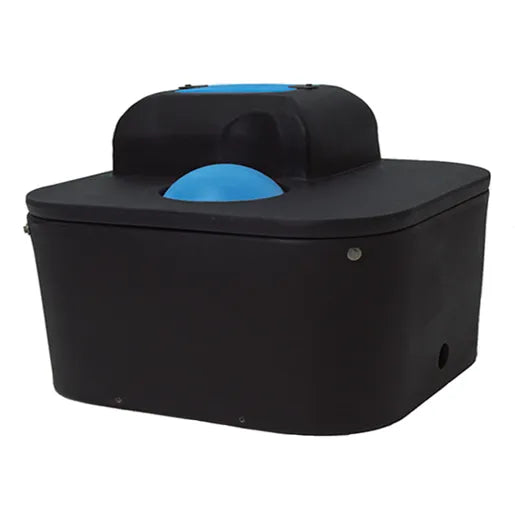
One-Hole Energy-Free Cattle Waterers
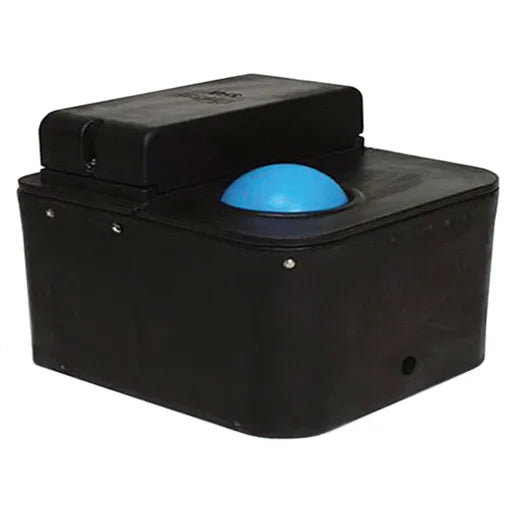
Single-opening MiraFount cattle waterers are available in 15 and 30-gallon reservoir capacities. These models provide a single drinking position with automatic water replenishment and covered drinking access.
Single-opening designs may be appropriate for compatible cattle groups where daily water turnover is sufficient and the incoming water supply can accommodate peak drinking demand.
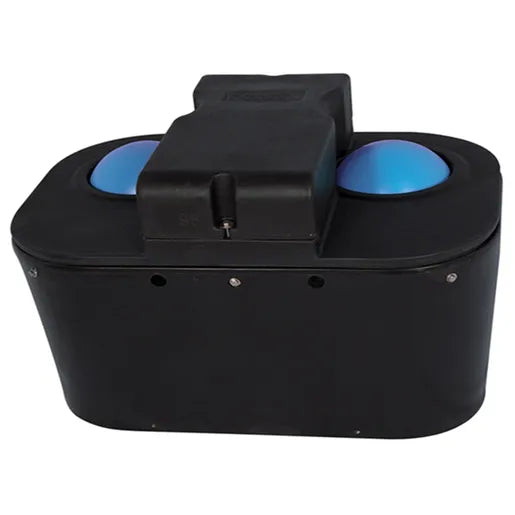
Two-Hole Energy-Free Cattle Waterers
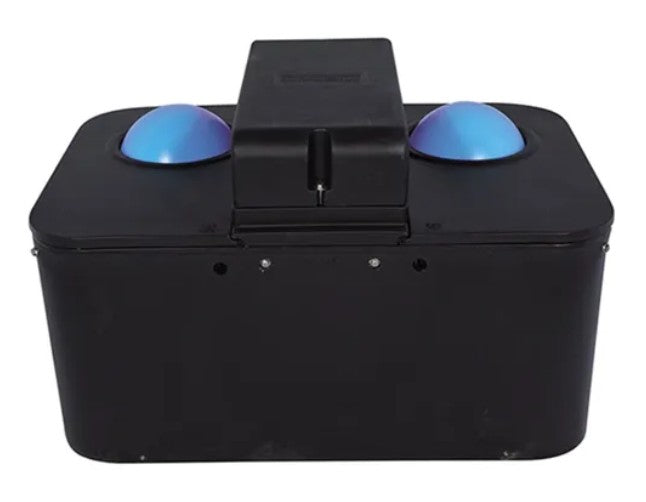
Two-hole energy-free cattle waterers are available in 20 and 44-gallon capacities, providing two drinking positions and alternative reservoir configurations.
These models offer additional simultaneous drinking access when both openings remain accessible. The larger reservoir provides additional stored water, while automatic refill operation replenishes water as livestock drink.
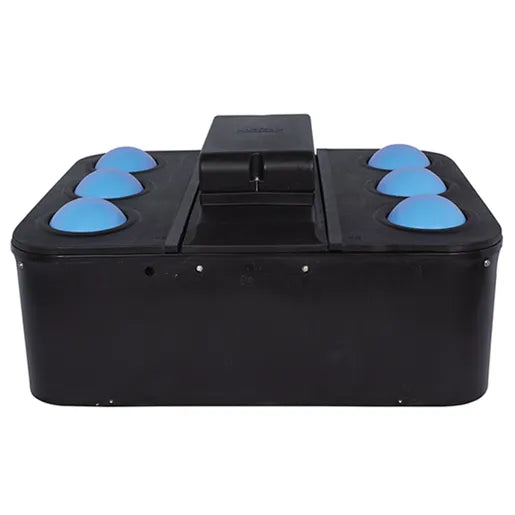
Four-Hole and Six-Hole Energy-Free Waterers
Multiple-opening energy-free waterers provide additional drinking positions for larger livestock groups and facilities where several animals may approach the watering station together.
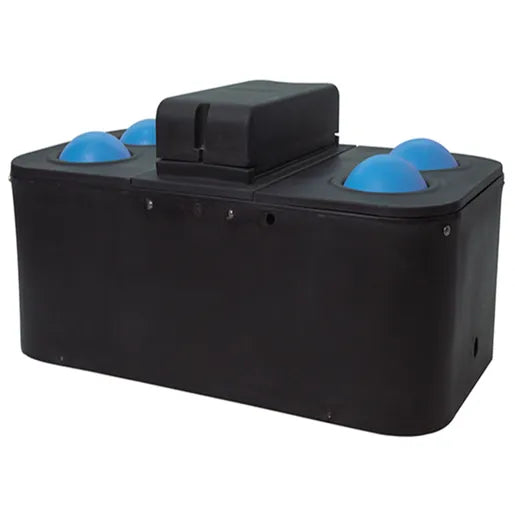
The four-hole model features a listed 70-gallon reservoir capacity. Six-hole models provide additional drinking access for compatible installations.
Confirm the exact reservoir capacity, dimensions and recommended livestock capacity of the selected six-hole model before ordering or preparing the installation site.
Multiple drinking openings must remain accessible for animals to benefit from the additional watering positions. Consider fence placement, approach areas and livestock movement when selecting the installation location.
Energy-Free Hog Waterers
Covered energy-free hog waterers provide automatic drinking water for market hogs and sows without electric tank heating when operating conditions meet the selected model's requirements.
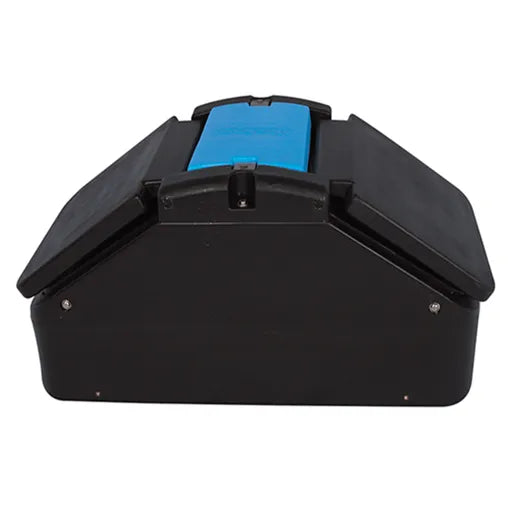
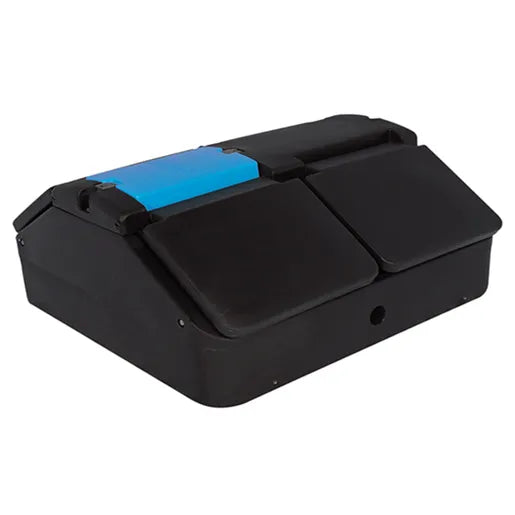
These insulated watering systems feature lift-up drinking lids rather than the floating ball closures commonly used on certain cattle waterers.
Two-Lid Energy-Free Hog Waterers
The six-gallon two-lid hog waterer provides two drinking positions in a compact covered reservoir configuration.
Evaluate animal size, drinking height, lid movement and daily water consumption when determining whether this model is appropriate for the intended swine group.
Four-Lid Energy-Free Hog Waterers
The 15-gallon four-lid hog waterer provides additional reservoir capacity and four drinking positions for larger compatible hog or sow groups.
Multiple drinking positions can help accommodate simultaneous water use when the watering station has suitable access and adequate incoming water flow.
Inspect drinking lids and closures regularly to remove feed particles, bedding and other debris that could interfere with proper operation.
Benefits of Energy-Free Automatic Livestock Waterers
- No routine electric heating expense: Operates without an electric tank heater when installation and livestock usage requirements are satisfied.
- Automatic water replenishment: Maintains the reservoir water level when connected to an adequate pressurized water supply.
- Insulated construction: Helps retain heat introduced by incoming groundwater.
- Covered drinking reservoirs: Reduce water exposure to sunlight, airborne debris and cold air.
- Durable polyethylene bodies: Provide resistance to rust, corrosion and frequent livestock contact.
- Multiple drinking configurations: Available in single-opening and multiple-opening designs for different livestock groups.
- Remote watering applications: Suitable for certain permanent watering installations where electrical service is inconvenient or unavailable.
- Reduced manual watering labor: Automatic replenishment reduces the need to manually refill livestock drinking reservoirs.
Energy-free models are part of Barn World's selection of closed top livestock waterers, which includes insulated and electrically heated watering configurations.
Winter Operating Requirements for Energy-Free Waterers
Energy-free livestock waterers require specific operating conditions to help maintain drinking water availability during freezing temperatures. Understanding these requirements is essential when selecting a waterer for winter use.
| Operating Factor | Requirement |
|---|---|
| Incoming Water Temperature | Common guidance specifies at least 42°F |
| Livestock Usage | Adequate daily water turnover |
| Subzero Weather Usage | Approximately 20 head for many models; verify exact requirements |
| Supply-Line Installation | Protected below local frost depth |
| Water Supply | Adequate pressure and refill capacity |
| Drinking Closures | Properly functioning balls or lids |
| Water Source Usage | Generally used as the primary livestock water source |
| Winter Maintenance | Daily inspection and additional checks during severe weather |
These are general operating guidelines from the existing MiraFount product information. Requirements vary by model, livestock species, climate and installation conditions. Always follow the current instructions for the exact waterer being installed.
Adequate Livestock Water Consumption
Regular livestock drinking introduces replacement groundwater into the reservoir. This water turnover helps replace thermal energy lost to the surrounding environment.
For many MiraFount models, approximately 20 head are recommended during subzero weather. The actual requirement depends on animal species, model configuration and environmental conditions.
A waterer used by only a few animals, or one used intermittently, may not receive enough incoming replacement water to maintain dependable energy-free winter operation.
Incoming Groundwater Temperature
Incoming groundwater temperature plays an important role in energy-free livestock watering. Common MiraFount winter operating guidance specifies incoming water of at least 42°F.
Actual groundwater temperatures vary by location, season, water source and supply-line installation. Verify the applicable requirements for the selected model.
Primary Water Source Requirements
Energy-free waterers generally need to receive regular livestock use. When animals regularly drink from other sources, water turnover within the insulated reservoir may decrease.
Evaluate the actual drinking behavior of the herd rather than assuming that the total number of animals on the property represents the number consistently using the waterer.
Energy-Free Waterers vs. Electrically Heated Waterers
Energy-free and electrically heated livestock waterers both offer insulated watering configurations, but they use different methods to help prevent freezing.
| Feature | Energy-Free | Electrically Heated |
|---|---|---|
| Electric Tank Heating | Not required under suitable conditions | Electric heating system |
| Primary Freeze Protection | Insulation and replacement groundwater | Insulation and supplemental electric heat |
| Daily Water Turnover | Especially important | Less dependent on turnover for freeze protection |
| Electrical Service | Not required at the waterer for standard operation | Required for electric heater operation |
| Small Herds | May have insufficient winter water turnover | May be more suitable when turnover is low |
| Remote Locations | Useful where electrical service is unavailable and operating conditions are suitable | Requires an appropriate electrical supply |
| Underground Plumbing Protection | Required | Required |
For smaller herds, intermittently used watering stations or installations that cannot meet energy-free winter requirements, consider our electrically heated livestock waterers.
Electric heating provides supplemental freeze protection but does not eliminate the need for protected plumbing, adequate water supply and proper installation.
Can Energy-Free Waterers Reduce Operating Costs?
Energy-free waterers eliminate the electricity consumption associated with operating an electric tank heater under suitable conditions. This can reduce ongoing winter watering expenses, particularly at facilities where several watering stations are required.
They may also reduce installation expenses where providing electrical service to remote livestock watering locations would require additional trenching, wiring or electrical equipment.
Actual savings depend on the alternative heating equipment, local electrical rates, climate and installation requirements. Water supply pumping and other equipment may still require electricity.
Select an energy-free watering system based on its suitability for the livestock and operating conditions rather than potential energy savings alone.
Installing Energy-Free Livestock Waterers
Proper installation is essential for dependable energy-free operation. Permanent water plumbing, protected supply lines and an appropriately prepared foundation help support the thermal and structural performance of the waterer.
Underground Water Supply Protection
Incoming water supply lines must be protected against freezing according to local frost-depth requirements and the selected waterer's installation instructions.
A frozen supply pipe or valve can prevent automatic water replenishment even when the insulated drinking reservoir contains unfrozen water.
The underground riser, supply-line entry and surrounding installation components must also be protected according to model-specific requirements.
Insulated Waterer Extension Tubes
An insulated underground extension tube is available for compatible livestock watering installations. This accessory helps protect the incoming water supply passage beneath the waterer.
Confirm the required extension tube dimensions, installation depth and compatibility with the exact waterer before preparing the foundation.
An insulated extension tube does not replace proper frost-depth protection or other installation requirements.
Installation Planning Checklist
- Select the appropriate waterer model: Confirm livestock species, herd size and drinking access requirements.
- Evaluate winter water consumption: Determine whether the livestock group will provide sufficient daily water turnover.
- Verify incoming water conditions: Confirm supply temperature, pressure and available flow rate.
- Determine local frost depth: Protect underground supply piping according to local conditions and applicable requirements.
- Prepare the foundation: Follow the selected model's mounting and concrete-pad instructions.
- Protect the supply-line riser: Use the appropriate insulated heat well or extension tube where required.
- Provide suitable drainage: Reduce mud, standing water and ice accumulation around the watering station.
- Maintain service access: Allow access to automatic valves, plumbing connections and drinking closures.
- Test the installed waterer: Confirm proper water levels, refill operation and livestock drinking access.
Follow the manufacturer's current installation instructions and applicable local plumbing requirements. Use a qualified installation professional where required.
Choosing an Energy-Free Waterer for Pastures and Feedlots
Energy-free livestock waterers can be useful in pasture watering stations, beef cattle facilities and feedlots where providing electricity to each waterer would be inconvenient or expensive.
The selected waterer must still have a dependable incoming water supply, appropriate underground plumbing protection and enough daily livestock use to support energy-free winter operation.
Pasture cattle may approach a watering station in larger groups at particular times of the day. Select adequate reservoir capacity, drinking access and refill performance to accommodate peak demand.
Consider the surrounding terrain, livestock traffic, drainage and access for maintenance equipment before establishing a permanent watering station.
Choosing the Right Reservoir Capacity and Drinking Access
The gallon capacity of an energy-free livestock waterer represents the amount of water stored in its reservoir. It does not represent the maximum amount of drinking water the unit can deliver throughout the day.
Automatic refill valves replenish the reservoir as livestock drink, provided the incoming water supply can maintain adequate pressure and flow.
When selecting an energy-free waterer, consider:
- Livestock species, age and body size.
- Daily and seasonal water consumption.
- Minimum winter water turnover requirements.
- Number of usable drinking openings.
- Incoming water pressure and refill capacity.
- Available installation space and drinking height.
- Local winter temperatures and groundwater conditions.
- Animal approach areas and simultaneous drinking demand.
A larger reservoir is not automatically a better choice for winter operation. A correctly sized waterer with adequate daily turnover may be more appropriate than an oversized reservoir used by too few animals.
Maintaining Energy-Free Livestock Waterers During Winter
Routine inspection helps maintain water availability and identify conditions that could interfere with energy-free operation.
- Confirm that livestock consistently use the waterer.
- Verify water availability at every drinking opening.
- Check automatic valve operation and refill performance.
- Inspect floating balls and lift-up lids for proper movement.
- Remove debris that prevents drinking openings from closing correctly.
- Inspect seals, covers and accessible plumbing components.
- Check for leaks and unusual changes in reservoir water levels.
- Maintain clean, adequately drained footing around the waterer.
- Increase inspection frequency during severe cold weather.
Check water availability at least daily during winter. Maintain an alternative livestock water supply in case of freezing, plumbing failures or other interruptions.
Frequently Asked Questions About Energy-Free Waterers
What is an energy-free livestock waterer?
An energy-free livestock waterer is an insulated automatic watering system designed to operate without an electric tank heater under suitable installation, environmental and livestock usage conditions.
How does an energy-free cattle waterer keep water from freezing?
It combines insulated reservoir construction, covered drinking openings, incoming groundwater and regular water turnover to help retain thermal energy and reduce heat loss.
Are energy-free livestock waterers completely frost-free?
No. Energy-free operation depends on adequate livestock usage, incoming water temperature, protected plumbing and correct installation. Freezing can occur when operating requirements are not met.
How many cattle are needed to operate an energy-free waterer in winter?
Approximately 20 head are recommended for many MiraFount models during subzero weather. Requirements vary by model, species, water consumption and local conditions. Consult the specific installation instructions.
What incoming water temperature is required?
Common MiraFount winter operating guidance specifies incoming water of at least 42°F. Confirm the requirements for the exact model and installation.
Can energy-free waterers be used for small herds?
They may be suitable under appropriate conditions, but small herds may not provide sufficient water turnover during freezing weather. An electrically heated waterer may be a better option when minimum usage requirements cannot be met.
Do energy-free livestock waterers need electricity?
Standard energy-free waterer operation does not require electricity at the watering unit when the applicable operating conditions are satisfied. The incoming water supply may still depend on an electrically powered pump.
Do energy-free waterers refill automatically?
Yes. An automatic water valve replenishes the drinking reservoir when connected to a suitable pressurized water supply.
Are energy-free hog waterers available?
Yes. Barn World offers six-gallon two-lid and 15-gallon four-lid covered energy-free hog waterers for compatible swine groups.
Do energy-free waterers require underground plumbing?
Properly protected permanent water plumbing is essential for winter operation. Follow local frost-depth requirements and the selected model's installation instructions.
Is an insulated extension tube required?
Requirements depend on the waterer model, underground water supply configuration, local frost depth and installation instructions. Confirm compatibility before ordering.
What happens if livestock stop using an energy-free waterer?
Reduced water consumption decreases the amount of replacement groundwater entering the reservoir. During freezing weather, insufficient water turnover can increase the risk of freezing.
How much money can an energy-free waterer save?
Potential savings include avoided electric tank heating costs and, in certain installations, reduced electrical infrastructure expenses. Actual savings depend on the equipment, climate, installation and electricity rates.
Order Energy-Free Livestock Waterers from Barn World
Find an automatic energy-free waterer for your cattle, dairy livestock, hogs or permanent pasture watering station. Choose from multiple reservoir capacities and drinking configurations to match your livestock watering requirements.
Review the individual products in this collection for model-specific dimensions, reservoir capacities, installation requirements and recommended livestock usage.
When selecting a winter watering system, consider the complete installation cost, including underground plumbing, foundation preparation, compatible accessories and freight.
For freight-quoted equipment, request delivered pricing with your selected model, livestock species, approximate herd size, quantity, delivery ZIP code and unloading requirements.
Contact Barn World at sales@barnworld.com for assistance with equipment compatibility, installation accessories and shipping arrangements.
Explore our complete selection of livestock waterers for additional automatic, electrically heated and open-trough watering systems.