
Cattle Guard Forms


Recently viewed
Concrete Cattle Guard Forms for On-Site Casting
A concrete cattle guard form is a mold used to cast the sections of a vehicle crossing through a cattle fence line. The finished crossing, supporting base, approaches, drainage, and connecting fencing must work together. Choose a design for the intended vehicles and livestock, and follow the manufacturer's installation requirements.
Reusable Form and Current Availability
The Cow Stop reusable cattle guard form is the current option offered here. After the concrete has gained sufficient strength, the mold is removed and can be used to cast additional sections. Review the product page for current specifications, engineering documentation, and ordering details.
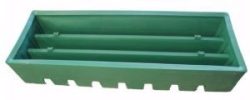
The Texan in-ground form is discontinued and unavailable, with no production start date. It remains in the ground after pouring and is a different product from the reusable mold. The first image below shows this legacy in-ground design for reference; it is not a current purchasing option.

Compare the Complete Installed Cost
A reusable mold may be useful when several sections or crossings are needed. Compare the complete project cost, including the mold, concrete, reinforcement, labor, site preparation, lifting equipment, freight, and installation. The lighter mold can reduce the amount of finished concrete that needs to be shipped, but total savings depend on the project and location.
Livestock Suitability
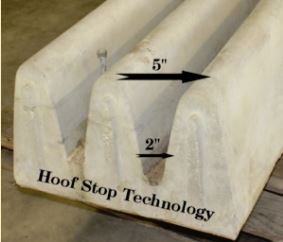
The concrete groove design differs from the open spaces beneath many steel rails. It does not guarantee protection against hoof injury or entrapment, and no cattle guard guarantees containment. Confirm suitability for the animals being managed and provide an appropriate alternate route for horses, pedestrians, and other users who should not cross the guard.
Load Documentation and Site Preparation
The reusable-form product page provides information about the manufacturer's HS-20 engineering documentation. The finished crossing must meet the applicable concrete, reinforcement, support, layout, and installation requirements. A rating is not blanket approval for every vehicle or road. For specified projects, confirm the required documentation with the project engineer or road authority before ordering.
Prepare a compacted base and drainage appropriate to the site and selected design. Follow the manufacturer's curing and handling instructions before moving sections or opening the crossing to traffic. Do not assume that a built-in bottom eliminates foundation or ground-preparation requirements.

Inspection, Freight Quotes, and Ordering
Inspect the crossing, supports, drainage, and connecting fence regularly. Keep grooves and drainage paths clear, and address cracks, movement, or other damage according to the manufacturer's guidance. Concrete does not require painting like some steel finishes, but the installed crossing still needs ongoing checks and maintenance.
For a delivered quote, provide the crossing dimensions, expected vehicles, required load documentation, delivery ZIP code, and unloading arrangements. Review the reusable form specifications, compare steel and other cattle guard options, or email Sales@BarnWorld.com for help selecting the configuration.