
Poultry Cages and Pens


Recently viewed
Poultry Pen Netting, Small Cages and Bird-Handling Equipment
A well-managed poultry enclosure should provide suitable space, safe access to feed and water, good ventilation, and protection appropriate to the birds and local predators. Maintaining that environment involves more than buying a cage or covering a run. The enclosure's walls, overhead protection, doors, footing, and routine cleaning all contribute to safe daily care.
This Barn World collection currently features flexible bird netting for overhead poultry and game-bird runs, fowl-catching tools, and a collapsible wire cage that is also described for small-animal use. These are individual supplies for managing enclosures and animals, not a complete commercial egg-layer battery system or a turnkey quail-breeding facility. Review each product listing for its intended application and included components before ordering.
Different poultry species and ages have different needs. A young quail, a laying hen, and an adult turkey should not automatically be housed in identical openings, densities, or equipment. The practical guidance below can help plan a safer enclosure and identify the role each available accessory can play.
What Makes a Good Poultry Cage or Pen?
A poultry pen should keep birds within their assigned area while allowing them to move, rest, eat, and drink without excessive crowding. It should also help exclude wild birds and predators, limit contact with contaminated ground or neighboring flocks where needed, and make it straightforward to remove manure and wet bedding. Housing requirements depend on species, age, flock size, climate, and whether the enclosure is intended for daily living, temporary holding, or exhibition.
Start with the completed structure rather than any one accessory. An overhead net can prevent birds from flying out or reduce direct access from above, but it does not strengthen an inadequate ground-level fence. Similarly, a small wire cage may be useful for a compatible temporary purpose but is not automatically large enough or correctly configured for routine poultry housing.
Plan how you will inspect every bird, refill water, clean the interior, and open and close the enclosure without escapes. A pen that is difficult to maintain often becomes less effective over time, even if its original materials were well selected.
Choosing Poultry Netting for Overhead Run Coverage
Overhead bird netting is used to create a barrier above an outdoor poultry run or game-bird enclosure. Depending on the design, it may discourage birds from flying out and help reduce exposure to hawks and other aerial predators. Its effectiveness depends on the mesh openings, how the net is supported, its condition, and the way it connects to the surrounding enclosure.
Barn World's bird-netting product describes flexible olefin netting with 1-inch and 2-inch mesh options, including larger roll dimensions. Select the mesh appropriate for the size of the birds and the area you need to span. Smaller birds may require smaller openings. Do not treat the stated mesh dimensions as proof that the net is secure against every predator or suitable for every sidewall.
For a large run, measure the entire area to be covered, including slopes and the shape created by the support system. Allow for secure fastening and any manufacturer-specified overlap. Plan how adjoining pieces will be joined and whether posts, cross cables, or additional supports are necessary to prevent sagging. Verify the actual product width, length, and available mesh before deciding how many rolls are needed.
Poultry Netting Versus Predator-Resistant Perimeter Fencing
Overhead netting and ground-level predator barriers perform different jobs. Flexible netting may be useful across the top of a pen but can often be chewed or torn by animals that attack from the sides. Foxes, raccoons, dogs, coyotes, snakes, and rodents may enter through weak gates, openings near the soil, damaged wire, or gaps around the structure.
University extension guidance recommends sturdy perimeter construction, secure doors, and appropriately sized wire or hardware cloth for vulnerable openings. Some digging predators may require an apron or another below-ground protection method. The exact design should reflect the predators found in your area, rather than relying on an overhead net as the only protective measure.
Choose sidewall materials that can withstand the expected animal pressure and discourage chewing or climbing. A flexible net intended for overhead use should not be presented as a substitute for rigid fencing, welded wire, or other specified predator barriers. Inspect seams and corners frequently because even small openings can become entry points.
How to Install and Maintain Overhead Bird Netting
A well-supported net should cover the intended area without large gaps along the perimeter. Plan the framework so the net does not sag excessively over birds, feeders, or equipment. Check that all fasteners and exposed cable ends are secure and do not create entanglement hazards. Follow the supplier's directions regarding tension, joining methods, and support spacing.
Wind, heavy rain, fallen branches, ice, and snow can load the net or damage its supports. Netting that works well in summer may require a different plan where heavy snow is expected. Never assume a flexible net can safely support accumulated snow or a person standing on it. Design supports and winter procedures for the local conditions.
Inspect for tears, frayed edges, loose connections, and holes where birds could escape or predators could enter. Remove trapped debris safely and repair or replace damaged sections before returning birds to the affected enclosure. A net with a long service life under favorable conditions may deteriorate sooner when subjected to repeated abrasion, ultraviolet exposure, or severe weather.
Selecting a Small Wire Cage for Temporary Holding or Showing
A compact cage may be useful for an approved temporary holding, exhibition, observation, or small-animal management purpose. It must be appropriate for the species and length of use. Evaluate usable interior space, door dimensions, ventilation, floor construction, and the ability to provide clean water and suitable footing. The manufacturer's intended species and applicable exhibition rules should determine whether a particular cage is appropriate for poultry.
Barn World's current wire-cage listing describes a knock-down metal cage measuring 36 inches long by 21 inches wide by 24 inches high, with a latched door and removable corner pins. That listing also identifies small pets such as rabbits and guinea pigs among its intended uses. Do not assume those dimensions or the wire floor are suitable for every chicken, quail, or other bird without confirming the intended application and welfare requirements.
A collapsible enclosure can simplify storage and transport, but the frame must be assembled correctly and the latches checked before use. Verify that birds cannot get caught between the door and frame or injure their feet on the floor. Appropriate liners or surfaces may be necessary for certain species, but any changes should remain compatible with the cage design and cleaning requirements.
Temporary Cages Are Not Complete Commercial Layer Systems
Egg-layer housing, breeder pens, brooder enclosures, and temporary show cages differ in their purpose. Commercial laying systems may involve nest access, egg collection, dedicated feeding and watering, manure management, appropriate stocking arrangements, and other specialized components. Those features are not supplied merely by purchasing a general-purpose wire cage.
Before selecting equipment, decide whether you are building a permanent coop, a covered outdoor run, a temporary isolation area, or an exhibition arrangement. Check the requirements for the species, stage of life, and local husbandry standards. Review Barn World's actual available product listings rather than assuming this category contains complete battery-cage systems or quail production banks.
Where a complete housing system is needed, plan the structure as a whole: animal space, air movement, shade, heat and cold protection, feeders, drinkers, access for cleaning, and secure predator exclusion. Individual accessories should supplement that plan rather than replace it.
Handling Chickens and Other Fowl Safely
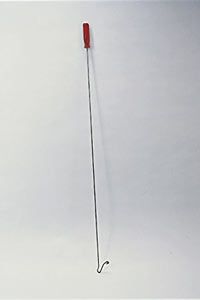
Handling tools can help attendants catch or direct individual birds during health checks, movement between pens, or other necessary tasks. Barn World lists a four-foot fowl-catching tool for poultry handling. Use such equipment only as directed and with appropriate training; a catching tool is not a substitute for supporting the bird's body and protecting its wings, legs, and breathing.
Approach birds calmly, limit unnecessary chasing, and prepare a safe receiving cage or holding area in advance. Sudden movements and prolonged pursuit can cause panic, collisions, and injuries. Once a bird has been restrained, support it securely and move it promptly to the intended location. Do not drag a bird or suspend its body weight improperly from one limb.
Handling needs differ with bird size and temperament. A method that works for a small chicken may not be appropriate for a mature turkey or waterfowl. Follow knowledgeable livestock-handling advice, and involve a veterinarian when an injured or ill bird needs examination. Clean tools between groups where disease transmission is a concern.
Ventilation, Shade, and Weather Protection
Wire enclosures allow airflow, but exposure to wind, intense sun, rain, or freezing conditions can still harm birds. A covered run is not necessarily sheltered from extreme temperatures. Provide species-appropriate shade, weather protection, and a dry resting area, with attention to birds that are young, ill, or otherwise less able to regulate body temperature.
Ventilation helps remove moisture, odors, dust, and ammonia, particularly in indoor coops. Preventing stagnant, damp air is important, but drafts striking roosting birds can create a different problem. Adjust the enclosure and surrounding shelter for the climate and flock rather than sealing every opening or leaving the pen completely exposed.
A netted roof may provide overhead exclusion without shade or rain protection. Where protection from precipitation or sun is required, use additional appropriately installed shelter materials. Avoid making the roof so difficult to access that routine cleaning, inspections, or safe maintenance become impossible.
Drainage, Cleaning, and Poultry Biosecurity
Even a secure pen becomes unhealthy when wet litter, manure, and spoiled feed accumulate. Choose a location that drains away from the coop and does not collect runoff from other livestock areas. Design doors and access panels so bedding and manure can be removed without repeatedly moving birds through contaminated areas.
Regularly clean drinking equipment, remove wet material, and keep feed protected from wild birds and rodents. For thorough disinfection, remove visible organic matter first and use products approved for the surface and disease-control purpose. USDA APHIS recommends a systematic cleaning routine because disinfectants are much less effective when dirt and manure remain on the surface.
Equipment that moves between farms, shows, or flocks deserves extra attention. Clean and disinfect appropriate cages, carrying equipment, boots, and tools, then follow applicable isolation and health-monitoring practices before returning exhibition birds to the resident flock. Do not share feeders and drinkers between unrelated flocks without proper sanitation.
Space, Flock Behavior, and Safe Pen Access
A pen's footprint alone does not establish how many birds it should hold. Space requirements depend on species, age, breed, climate, time housed, and how much outdoor access is available. Crowding can increase competition for feed and water, feather pecking, injuries, and difficulty keeping the area clean.
Observe birds during ordinary activity. They should be able to reach feeders and drinkers, rest, and move away from aggressive flockmates. An enclosure that looks adequate when birds are inactive may be crowded when several animals feed or move at the same time. Keep gates wide enough for normal care and avoid openings that trap a head, foot, or wing.
Quail and other small game birds may require different mesh, cover height, and enclosure layouts from larger chickens or turkeys. Birds that startle upward can be injured if they strike an unsuitable roof, so use species-appropriate design guidance rather than adapting a general-purpose cage without considering their behavior.
Choosing Netting Dimensions and Planning an Order
Before ordering poultry netting, measure the enclosure's length and width, the intended roof shape, and the location of the supports. Identify the mesh size required and whether fastening or joining material is needed. Consider the amount of extra material required for the approved attachment method, including overlaps and corners.
For a cage, record the bird or animal species, intended duration of use, required interior dimensions, floor and door requirements, and whether the unit needs to be transported or stored between uses. For a fowl catcher, consider the birds to be handled and whether the tool and handling method are appropriate for their size.
Check the individual Barn World product descriptions for current sizes, included parts, and ordering methods. Larger netting rolls may have different shipping requirements than compact cages or handling equipment. Provide the quantity and delivery ZIP code when requesting shipping information or a quote.
For additional flock equipment, browse Barn World's Poultry Supplies collection. Check the individual product specifications to confirm suitability for your birds and intended use.
Frequently Asked Questions About Poultry Cages, Pens and Netting
Can flexible poultry netting keep predators out of a chicken run?
Overhead netting can help discourage aerial predators and prevent some bird escapes, but flexible netting should not be relied upon as the primary defense against chewing, climbing, or digging ground predators. Use an appropriately strong and secure perimeter enclosure.
Is 1-inch or 2-inch mesh better for a poultry run?
That depends on the size of the birds, the intended location, and the net's purpose. Smaller birds may require smaller openings. Confirm the manufacturer's recommended uses and do not treat either mesh size as a universal predator-resistant side fence.
How much bird netting do I need to cover a pen?
Measure the area and shape of the overhead span, including any slope, supports, and permitted overlap for joining sections. Compare those dimensions with the available roll widths and lengths, then follow the netting maker's fastening and support instructions.
Can netting replace the roof of a poultry coop?
It may provide overhead containment or exclusion in a run but does not generally supply the weather protection of a solid, properly designed shelter roof. Poultry still need appropriate protection from sun, precipitation, extreme temperatures, and wind.
Is a small wire show cage suitable for permanent poultry housing?
Not necessarily. A compact cage must be evaluated for the exact bird species, dimensions, floor safety, ventilation, feeding access, and time housed. A general small-animal cage is not automatically a complete long-term layer or breeder housing system.
What is a fowl catcher used for?
It is a handling tool intended to help catch or control a bird during necessary management activities. Use proper techniques and support the animal's body; avoid prolonged chasing, dragging, or lifting incorrectly.
What should I check before moving poultry in a transport or show cage?
Confirm that the enclosure suits the bird's size, has secure latches and safe footing, and allows suitable airflow and access for care. Clean and disinfect equipment as appropriate before and after use, particularly when moving between flocks or exhibitions.
How do I help prevent disease in a poultry pen?
Keep bedding and equipment clean, control rodents and wild-bird access, provide suitable ventilation, separate different flocks when appropriate, and follow current biosecurity guidance. Remove dirt before applying approved disinfectants and maintain a routine for inspecting birds and equipment.