
Alleys
Recently viewed
A well-planned cattle alley creates a single-file passage between a crowding area and the next point in a livestock working system. Its job is to guide appropriately sized cattle in a controlled direction toward a squeeze chute, headgate, scale, or sorting point. Adjustable width, secure gates, stable footing, and the layout of adjoining pens all affect how smoothly the system works.
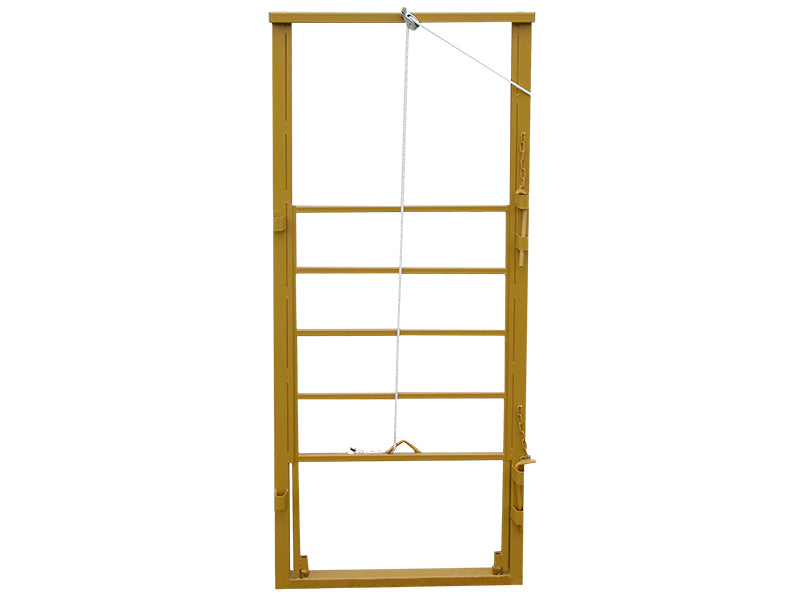
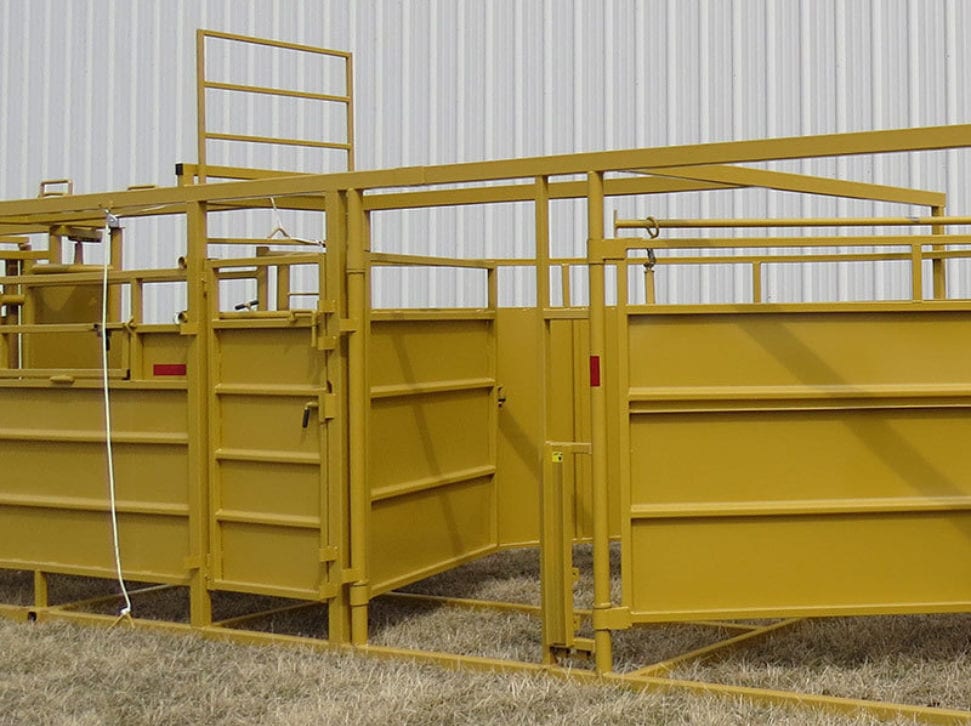
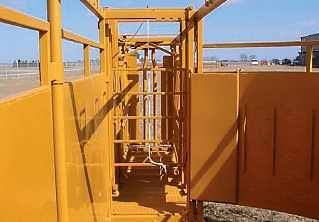
Barn World carries Sioux Steel adjustable cattle alley sections, a three-way splitting alley, an alley scale system, and an alley backstop. Some items are complete alley sections, while others are accessories for compatible equipment. The current selection should not be confused with historical crowding-tub-and-alley packages that are marked discontinued.
For a complete handling layout, browse Livestock Working Equipment to compare crowding tubs, calving pens, headgates, and squeeze chutes. The following guide explains the differences between available alley types and what to check before requesting a delivered quote.
Compare Adjustable Cattle Alleys, Sorting Alleys and Accessories
These examples reflect Barn World's currently listed Sioux Steel equipment. Confirm the current dimensions, connection hardware, shipping configuration, and included components for the exact product before ordering.
| Equipment | Listed details | Primary role |
|---|---|---|
| 8½-ft adjustable alley | 16–30 in. adjustable width; six locking positions; standard catwalk and no-back bar | Single-file cattle movement toward the chute |
| 8½-ft three-way splitting alley | 20–30 in. width; left- and right-hand versions; spring-loaded return gate | Directing cattle among three exits in a suitable fixed sorting layout |
| Alley scale system | Digital indicator, indicator mount, load bars and platform | Weighing setup specifically designed for the Sioux Steel 8½-ft alley |
| Alley stop / no-back bar | Separate compatible restraint component | Discouraging backward movement within an appropriate alley |
An accessory is not a complete cattle working alley. The alley scale system is described for a specific Sioux Steel alley configuration, and the separately offered backstop must fit the intended installation. Verify the compatibility of every component before making changes to an existing facility.
Adjustable Cattle Alley: One Size Does Not Fit Every Animal
Single-file alleys should be wide enough for cattle to move without excessive contact, but not so wide that an animal can turn around. Calves and mature cattle have different body widths, so a fixed passage designed around adult cows may create problems when smaller animals are worked. The correct setting depends on the actual cattle, not a single universal dimension.
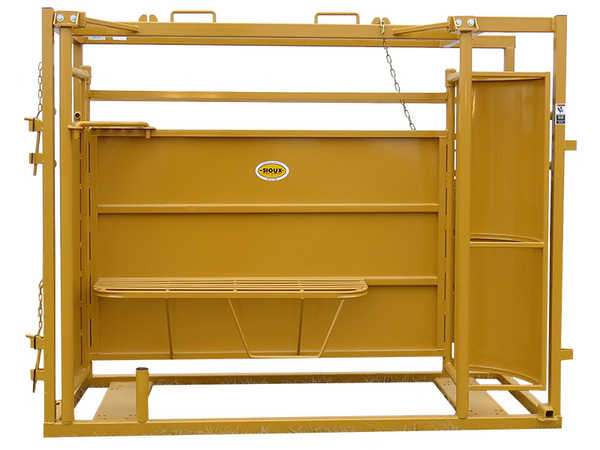
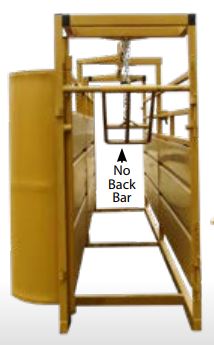
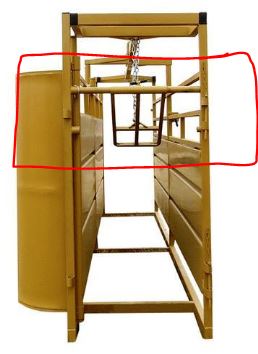
Barn World's Sioux Steel 8½-foot adjustable alley lists a width range of 16 to 30 inches with six locking positions. The product description also identifies a built-in no-back bar, greaseable pivot points, and a full catwalk as standard equipment. Two compatible 8½-foot sections can be joined to create a longer arrangement, subject to the manufacturer’s connection and installation instructions.
Before cattle enter, set the width for the animals in the group and check that the adjustment mechanism is locked. An opening that is too wide may permit turning, while one that is too narrow can cause balking or physical injury. Cattle of unusual size, large horns or heavy body frames require special attention; do not assume every animal fits within the nominal width range.
Extension recommendations for working alleys commonly emphasize matching alley width to animal size and allowing sufficient alley length ahead of the squeeze chute. For a high-throughput working facility, one short section may not provide enough queue capacity. Review the complete layout before deciding how many sections are appropriate.
Three-Way Splitting Alleys for Livestock Sorting
A splitting alley is different from a straight single-file passage. It introduces a sorting decision point so a handler can direct animals toward different destinations—such as a holding pen, a return alley, or another approved route—without treating every animal identically. The gates and exits must be planned for the facility and controlled by trained operators.
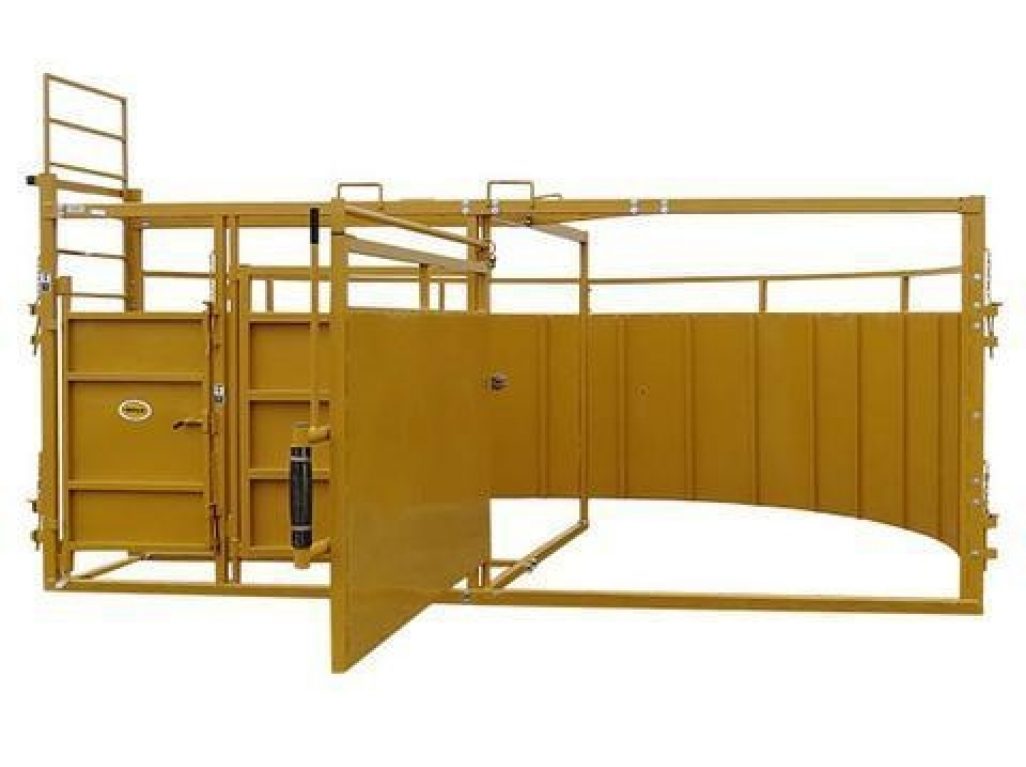
The Sioux Steel splitting alley currently listed by Barn World is an approximately 8½-foot unit adjustable from 20 to 30 inches. Its description includes a rope-and-pulley arrangement with a spring-loaded return gate, three-way exit capability, and left- or right-handed configurations.
Select the orientation according to which way cattle will approach and where the receiving pens are located. A left-handed unit is not automatically a drop-in replacement for a right-handed one. Verify gate swing, operator access, connections to adjoining panels, and the ability to release cattle without creating a bottleneck.
Sorting should be done in a calm, consistent sequence. If animals hesitate at a gate or a route appears to lead toward a solid wall, the operator may need to adjust the layout or reduce visual distractions. Avoid placing people where a swinging gate or an animal changing direction could strike them.
What Does a No-Back Bar Do?
A no-back device is intended to discourage cattle from moving backward after they pass a designated point in the working alley. Such devices may help maintain forward movement when properly installed, but they must be suited to the alley and animal size and must never be used to force an animal that is stuck or in distress.
The currently listed adjustable Sioux Steel alley describes an integrated no-back bar. Barn World also lists a separate no-back alley stop for compatible installations. Check whether the feature is already included on the selected alley before ordering the accessory; do not assume a separately listed part is needed with every system.
Inspect the operating range and the area where the bar moves. A backstop that sticks, drops unexpectedly or contacts an animal incorrectly can create a hazard. Keep fingers, tools and clothing away from moving parts, and use the manufacturer’s instructions for operation, adjustment and any emergency release.
Weighing Cattle in an Adjustable Alley
Combining a weighing system with an alley can allow a farm to collect weights during a normal handling pass. This may be convenient for monitoring animal performance and preparing management records without directing cattle into a separate weighing station. It still requires stable animal positioning and properly installed load sensors.
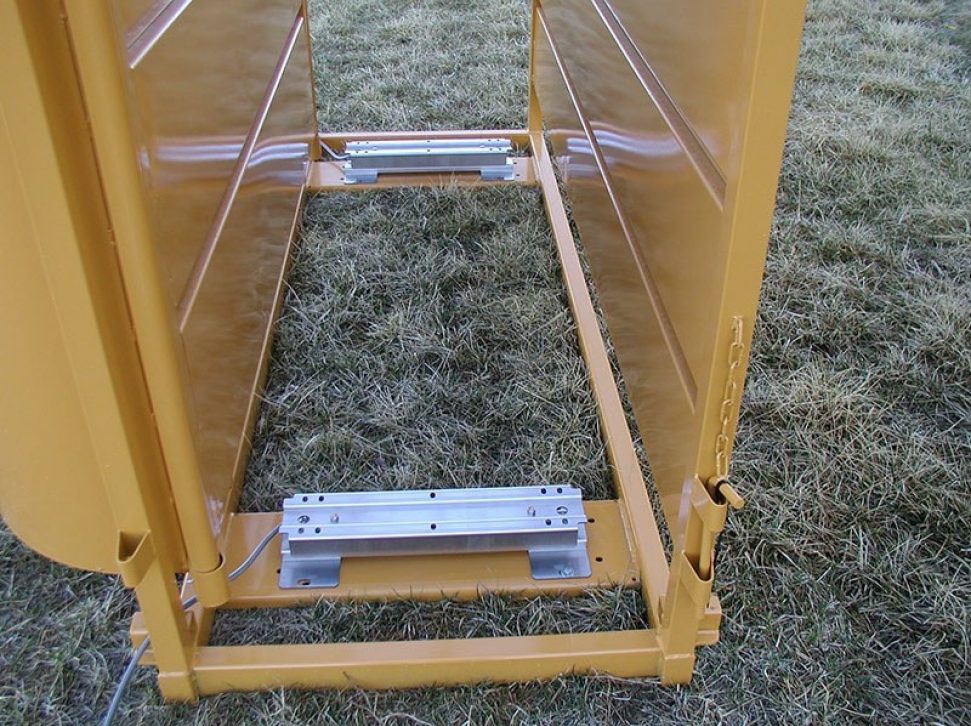
The Sioux Steel alley scale listed by Barn World includes an indicator and mount, load bars, and a scale platform. The product page identifies it as designed specifically for the Sioux Steel 8½-foot alley, not as a universal scale kit for arbitrary alleys or a complete alley sold with the scale.
Confirm the scale's capacity, the load transmitted through the platform, the mounting positions and whether surrounding metalwork can touch the weighing surface. Contact between a scale platform and fixed structural components may influence the reading. Route indicator cables where they cannot be pinched, chewed, stepped on or damaged by washdown.
If animal weights will be used for regulated commercial sales, verify whether the equipment and installation need separate legal-for-trade approval. A farm management scale is not automatically approved for all commercial transactions.
Connecting a Crowding Tub, Alley and Squeeze Chute
The working sequence usually begins in a holding area, passes through a properly managed crowding pen or tub, and continues along a single-file alley to the restraint chute. Cattle may hesitate when the entrance is abrupt, the alley is too wide, or the front of the working station creates distracting movement or noise.
Plan the approach and exit as a connected system. Check that the crowding tub, alley, headgate and chute are compatible in width, height, latch position and connection type. Allow room for handlers to operate gates safely without entering narrow spaces with unsecured cattle.
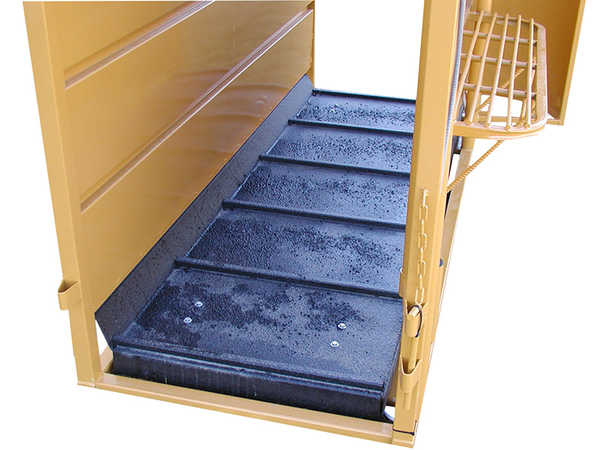
Do not overcrowd the crowding area. The capacity of the tub should correspond to the number of cattle that can move forward into the alley, not simply the number that physically fits behind its gate. Keep footing firm and non-slip throughout the route, particularly where cattle move from the tub into the alley or step into the chute.
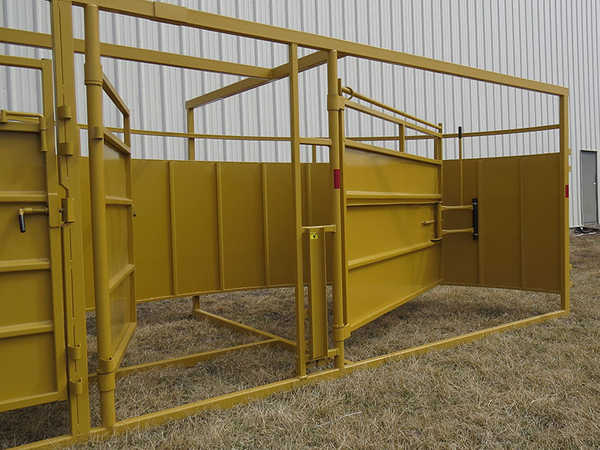
Both straight and curved alley arrangements can work, depending on the site and handler experience. Solid sides and well-managed visual distractions may help prevent balking, but a particular manufactured alley should not be described as curved or solid-sided unless the selected product is actually built that way.
How Long Should a Cattle Working Alley Be?
Alley length should be planned around herd size, the pace of the working chute, and the available site. University extension guidance often recommends roughly 20 feet or more for a general single-file working alley because very short alleys can leave the chute operator waiting for another animal to enter. That is planning guidance—not a requirement that every operation purchase exactly 20 feet of one manufacturer’s equipment.
An individual 8½-foot section may be an appropriate component of a longer working arrangement. The Sioux Steel product description states that two compatible sections can be connected, but the full length still depends on how the facility is built and where cattle transition between components. Follow the manufacturer's connection and load requirements.
Allow sufficient area for sorting and any future scale or palpation station. Longer is not automatically better if the alley is poorly placed, hard to clean, or creates a blind or unsafe area. A local livestock facility designer can help adapt the layout for an unusual pen or the needs of large or horned cattle.
Worker Safety, Catwalks and Animal Flow
A catwalk can provide a designated area from which a handler observes or operates part of the alley, but its presence is not a guarantee of safe cattle handling. Check that it is stable, unobstructed, suited to the equipment, and maintained according to the manufacturer. Keep escape routes and access to gates available during normal work.
Be mindful of pinch points at adjustable sidewalls, hinges, backstops and sorting gates. A rapidly moving animal can push on the structure with considerable force. Operators should know the location and purpose of each latch or release before animals enter the facility.
Moving cattle calmly can reduce unnecessary crowding and collisions. Work small enough groups to maintain control, pay attention to what animals are looking at, and avoid yelling or excessive pressure. Prevent slick footing and remove loose objects or dangling hardware that might distract cattle or create injury hazards.
Inspect the alley before each working session. Damaged gates, bent bars, unsecured connection hardware and malfunctioning no-back devices are reasons to stop use and repair the system before introducing another animal.
Alley Width for Calves Versus Mature Cattle
Working width is a practical safety and efficiency issue. Young calves may turn around in an alley intended for mature cows, while very large animals may hesitate or be injured if the passage is set too narrow. The Sioux Steel adjustable alley provides six width positions across its listed range, but the correct position must be selected for the animals being worked.
Check the narrowest point along the entire route, including connections to the crowding tub and chute. If the alley is adjustable but the attached headgate or transition remains too small, the system may still be unsuitable. Verify the actual frame and body dimensions of the animals, especially when handling a mixed group.
Observe how cattle move when using a new setting. Repeated stopping, excessive rubbing or animals attempting to turn around are indications that the equipment or handling method should be reassessed. Never force cattle through an opening that cannot accommodate them safely.
Installation, Maintenance and Freight Quotes
Livestock alleys are heavy handling-equipment components and generally require suitable freight arrangements. Before requesting a quote, identify whether you need a complete adjustable alley, a splitting alley, an extra compatible section, a scale system or only a specific replacement part. Accessories may be priced and shipped separately, and not every older product combination remains available.
Measure the proposed installation, including entry and exit widths, full equipment length, gate clearances, catwalk access, and the location of anchoring or support points. Confirm that any adjoining crowding tub, headgate or chute can connect safely. Ask whether the selected model arrives assembled, in sections or with additional hardware that must be installed on site.
For a delivered freight quote from Barn World, provide the exact model, number of sections, left- or right-hand sorting orientation if applicable, accessory choices, destination ZIP code and available unloading equipment. Mention a restricted driveway, limited truck access, or other delivery requirements.
Routine maintenance includes checking pivot points, grease fittings where specified, latches, gates, flooring and corrosion or coating damage. Keep mechanisms clean of manure and debris and follow the manufacturer's service instructions for safe adjustment and replacement.
Frequently Asked Questions About Cattle Alleys
What is a cattle working alley?
It is a defined passage that usually guides cattle in single file from a crowding area toward a squeeze chute, headgate, weighing station or sorting point.
What size is Barn World's adjustable cattle alley?
The currently listed Sioux Steel adjustable section is 8½ feet long and offers six locking positions across a 16- to 30-inch width range. Confirm the model and connection requirements before ordering.
What is a livestock splitting alley?
A splitting alley contains a controlled gate arrangement that directs cattle toward different exits. The listed Sioux Steel model is about 8½ feet long, adjusts from 20 to 30 inches, and is available in left- or right-handed configurations.
Can the adjustable alley be extended?
The product description states that two compatible 8½-foot Sioux Steel sections can be joined. Verify connections, final length, support and any needed components for the intended facility.
Is the no-back bar included?
The 8½-foot adjustable Sioux Steel alley lists a built-in no-back bar. A separate alley stop is also sold for compatible applications. Check your equipment before buying additional parts.
Does the alley scale include the whole cattle alley?
No. The listed scale system is an accessory package with load bars, a platform and indicator equipment, specifically intended for the compatible Sioux Steel 8½-foot alley.
How wide should a cattle alley be?
It should accommodate the animals while discouraging turning. Appropriate width varies by animal size, and extension guidance emphasizes adjustments for calves versus larger cattle. Follow the manufacturer’s operating limits and observe how animals move.
How long should a working alley be?
It depends on the operation and the working system. Extension publications commonly discuss approximately 20 feet or more for an efficient general-purpose working alley. Short sections may be components of a longer layout.
Can I buy a complete crowding tub and alley package?
Some historical Barn World combination listings are marked discontinued. Current individual alley sections and other working equipment may still be available; request a quote for a compatible current configuration rather than assuming an old package can be ordered.
What details are needed for an alley freight quote?
Provide the model, number of sections, intended width range, sorting direction if applicable, compatible equipment, delivery ZIP code and unloading equipment available at the destination.