
Squeeze Chutes / Calf Tables


Recently viewed
Cattle squeeze chutes and calf tables are practical investments in a safer, more organized livestock-handling operation. The right equipment supports controlled restraint during routine health care, identification, examinations, and other procedures without asking handlers to work directly in the path of an uncontrolled animal. A well-planned system can improve the flow of cattle through the working area, but equipment alone does not guarantee a calm or injury-free experience.
Barn World offers Powder River and Sioux Steel cattle squeeze chutes, manual calf tables, a Hi-Qual hydraulic calf chute and tipping table, and compatible accessories. These products serve different animal weights and facility arrangements. The most useful comparison begins with the size of your cattle, the tasks you perform, the people operating the equipment, and the layout of the working alley.
Explore our related Livestock Working Equipment for gates, alleys, crowding equipment and other facility components. The guide below explains the equipment differences and the practical details to check before requesting a delivered quote.
Squeeze Chutes Versus Calf Tables: Different Jobs
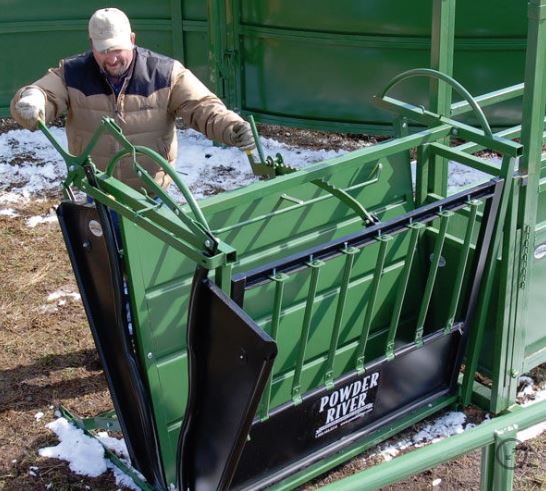
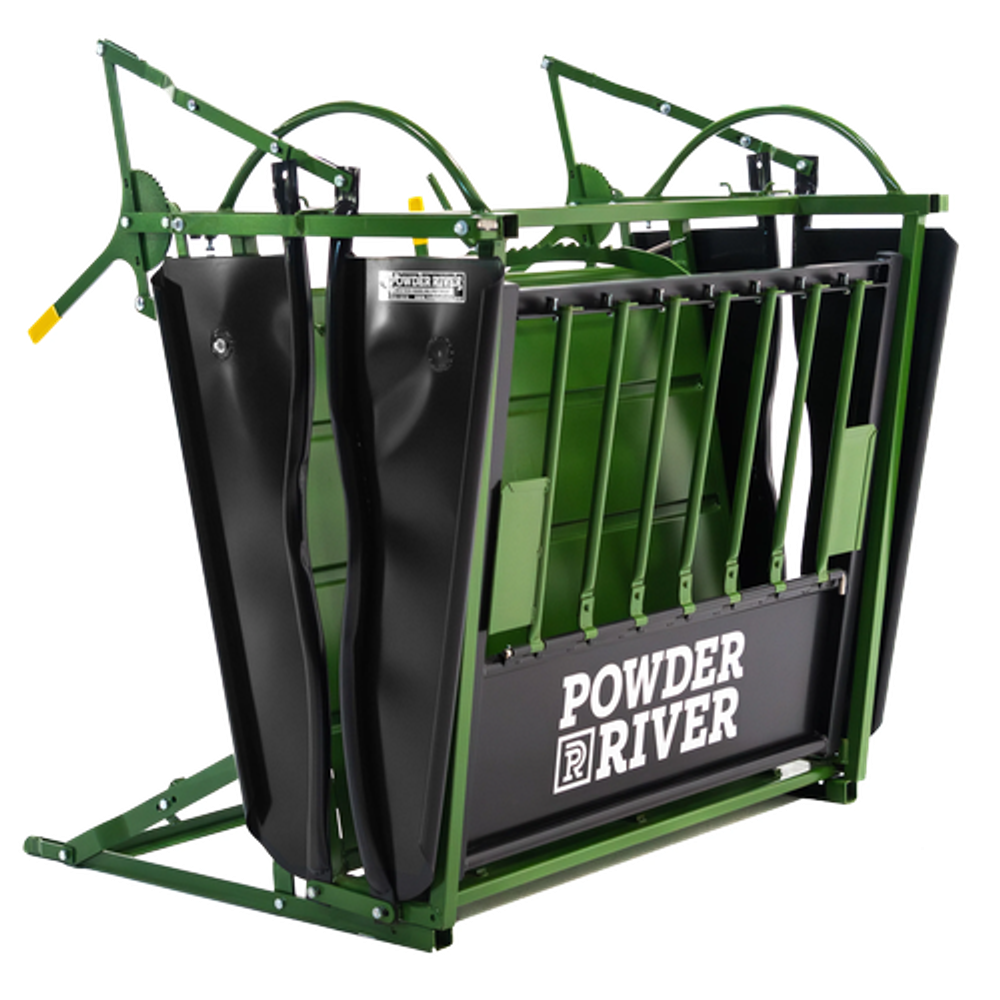
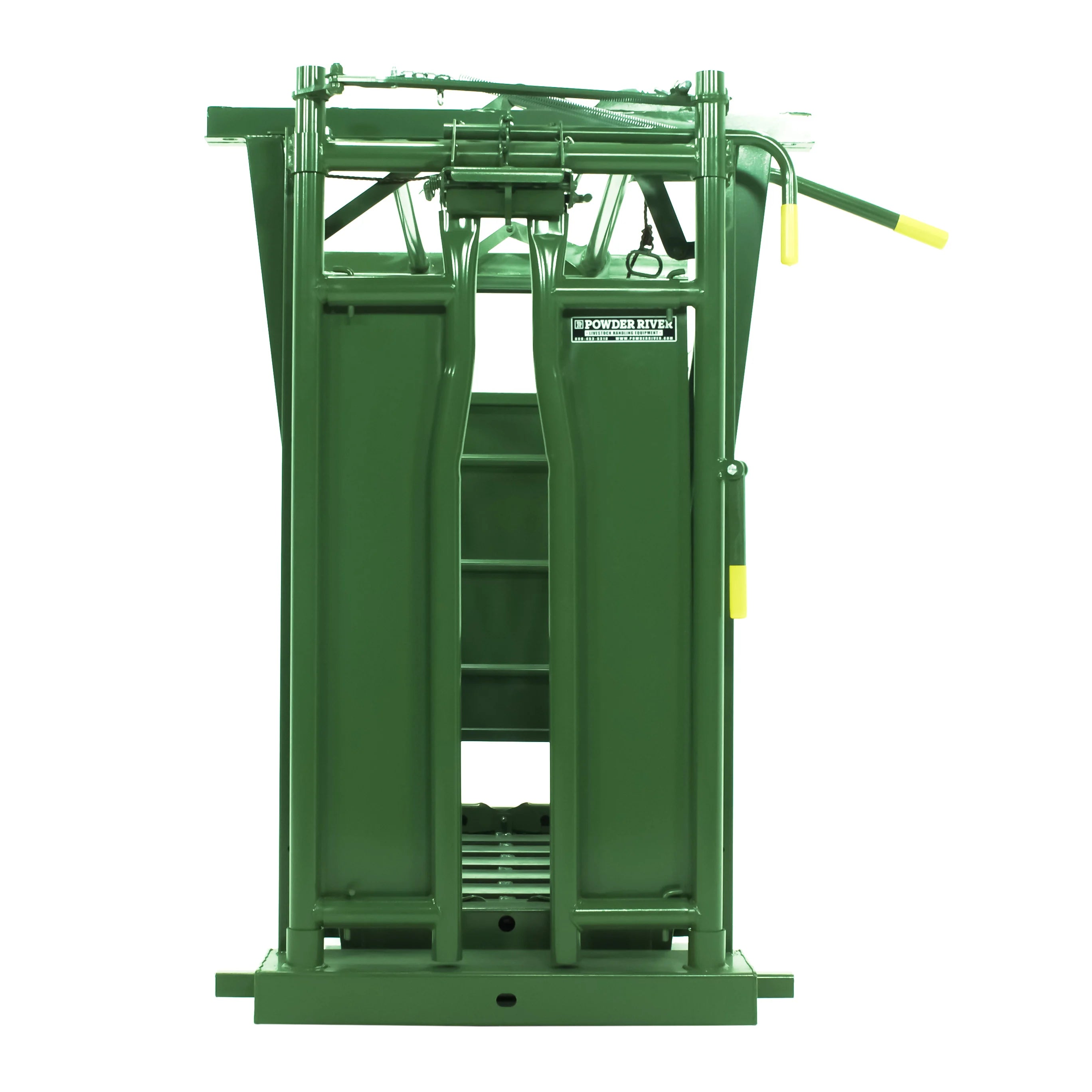
A cattle squeeze chute is usually installed at the end of a single-file working alley. A front headgate restrains the head and neck, a rear gate limits backing, and adjustable sides support the animal in a standing position. Depending on the model, side access panels and a possible side exit allow qualified handlers to work with cattle without entering the most dangerous parts of the enclosure.
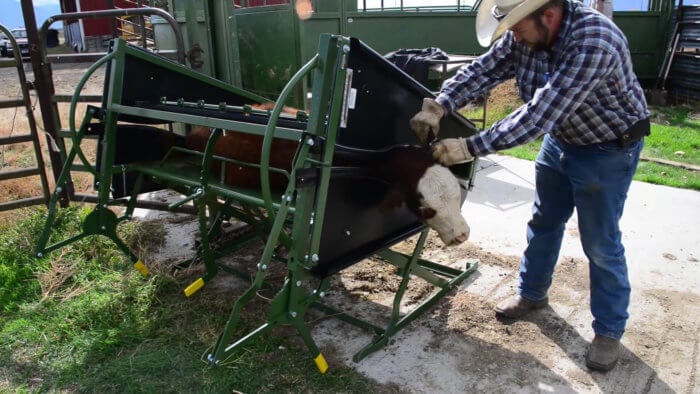
A calf table is specifically intended for smaller calves. It uses a headgate and holding frame, and many models tip the calf in a controlled manner to provide access to the side for necessary procedures. Calf tables have their own animal-size and weight limits. A table listed for 450-pound calves is not suitable for a mature cow, and a regular cattle squeeze chute does not automatically have the tilt function of a calf table.
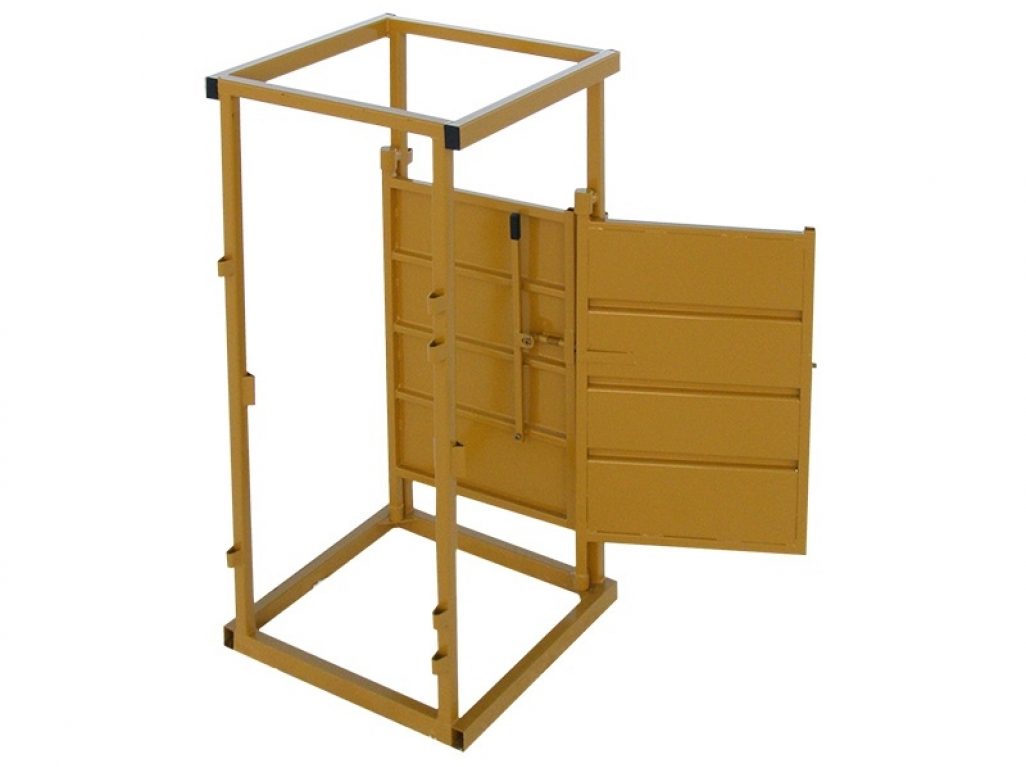
Also distinguish complete machines from accessories. The palpation cage, brisket bar and chute cart appearing in this collection are separate components with their own compatibility requirements. An accessory listing should not be interpreted as a complete cattle-handling station.
Compare Cattle Squeeze Chutes and Calf Tables
These are selected product specifications from Barn World's current listings. Confirm the exact model and manufacturer's current instructions when ordering, because design details, included options and rated limits may vary.
| Model or type | Animal size or use | Important features |
|---|---|---|
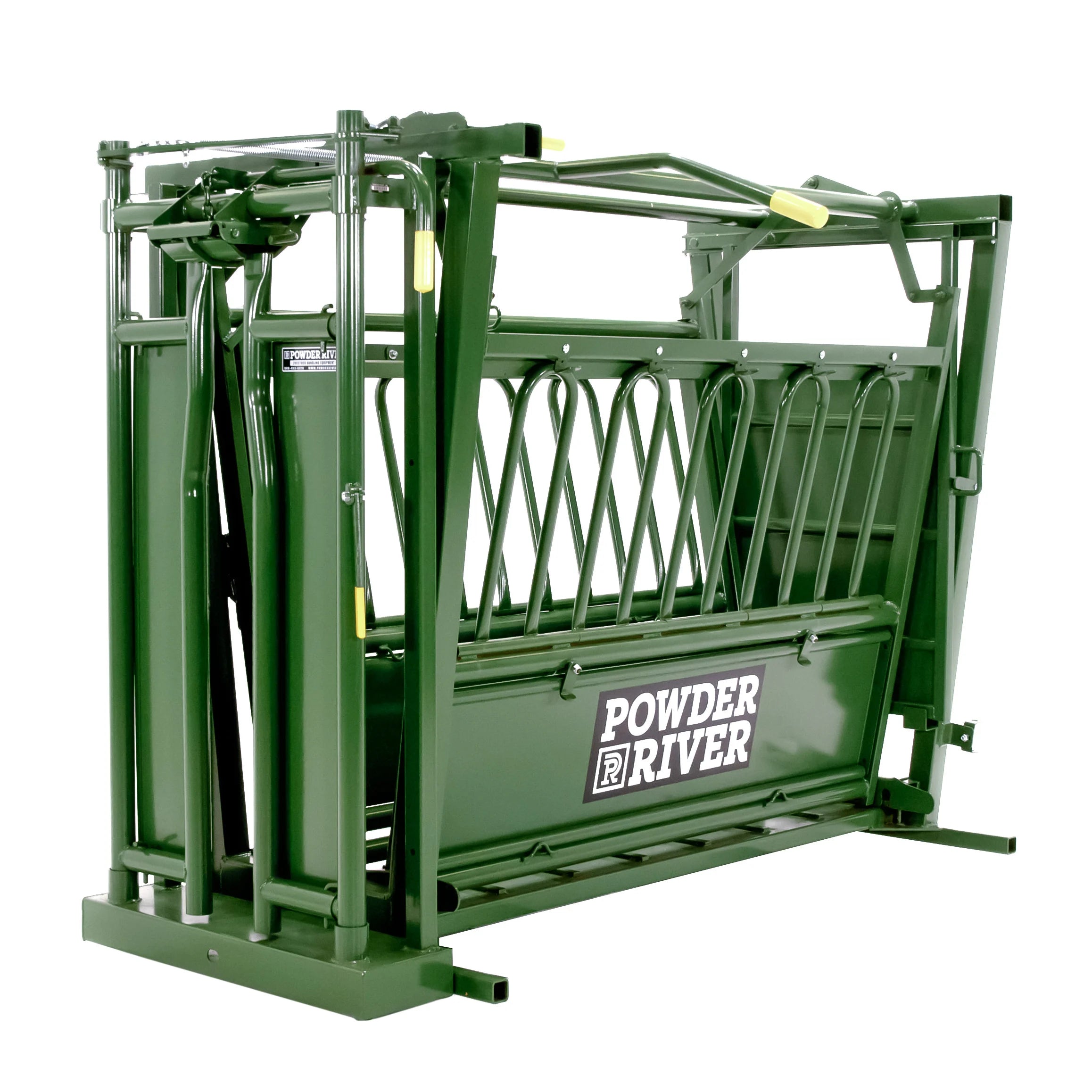
| Powder River S1500 | Cattle up to 1,500 lb; not intended for mature bulls | Manual or self-catching headgate, center squeeze, adjustable floor, side exit |
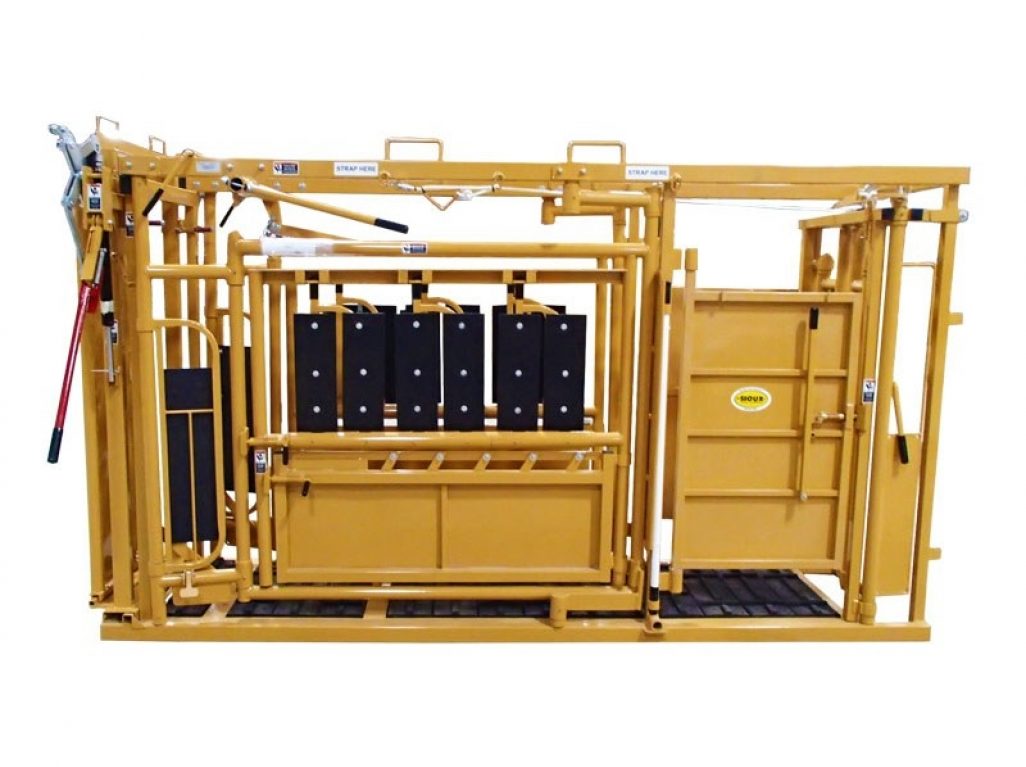
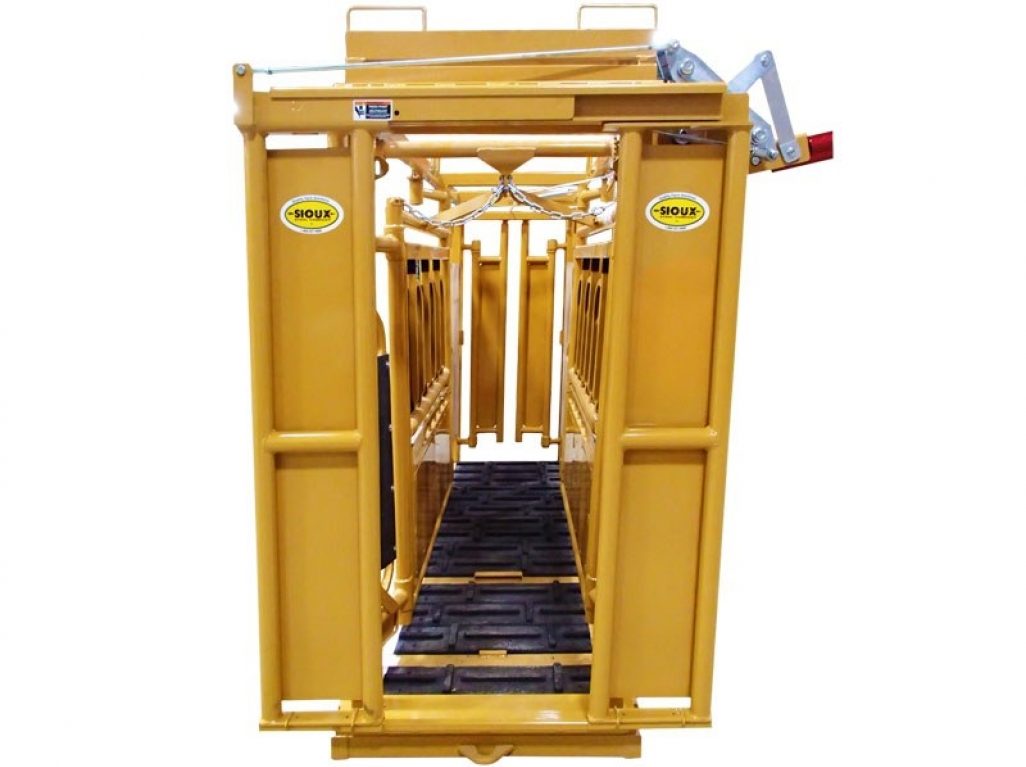
| Sioux Steel squeeze chute | Working cattle; verify the selected configuration's rating | Choice of manual or automatic headgate, side access and rubber-floor options |
| Powder River Classic calf table | Calves up to 450 lb | Reversible single headgate, adjustable tipping positions and drop-side rails |
| Powder River Deluxe calf table | Calves up to 450 lb | Headgates at both ends, three tilt settings, drop-side access |
| Hi-Qual hydraulic calf chute/table | Calves up to 800 lb | Hydraulic headgate, squeeze, tailgate and tipping operation |
Weights in this table are manufacturer-described animal limits for the specific products, not general guarantees. Breed, horns, body width, animal behavior and the shape of the restraint area also affect suitability. Never exceed a selected model's operating limits.
Manual Versus Self-Catching Headgates
A manual headgate allows an operator to choose when to close and release the restraint. A self-catching headgate is designed to engage as an appropriately sized animal moves into place. Both may be useful when adjusted and used correctly, but neither eliminates the need for an attentive, trained handler.
When comparing headgates, look at opening width, adjustment for different animal sizes, the placement of operating levers, release access and the ability to respond to an incomplete catch. Horned cattle and animals of unusual frame size may need specific handling provisions. An incorrectly adjusted opening can allow escape or injure the animal's neck and shoulders.
Ensure the operators understand each control before livestock enter the facility. Gates, levers and head restraint mechanisms can create serious pinch points. If an animal is caught incorrectly, follow the manufacturer's safe-release and re-entry procedure rather than attempting to force an unsafe position.
Choosing a Full-Size Cattle Squeeze Chute
The most important starting point is the actual herd. Consider the smallest and largest cattle likely to use the chute, not simply average weight. Frame size, mature bulls, horns and body condition can make a chute inappropriate even if some animals are below its published weight limit. A producer working yearling cattle may have different equipment needs from an operation regularly handling heavy breeding animals.
Good footing and secure installation are also essential. The chute floor should allow cattle to stand without unnecessary slipping, and the transition from the approach alley should not create abrupt obstacles. Check the floor construction, overall dimensions, mounting points and instructions for anchoring the chute or integrating it with surrounding equipment.
Side access should fit the work being done. Drop-down doors and access panels can make routine examinations or treatment work more practical without requiring an operator to enter the chute. A side exit can be valuable in certain handling situations. Verify which panels and openings are standard on the chosen model and what must be ordered separately.
For the Powder River S1500, Barn World lists a choice of manual or self-catching headgate, double-sided center squeeze, adjustable floor and side exit. It is specifically described for cattle up to 1,500 pounds and is not designed for mature bulls. The Sioux Steel option offers manual or automatic headgate configurations and available rubber-floor and side-access features. Compare each model's actual dimensions and components rather than assuming their controls are identical.
Calf Tables for Branding, Health Checks and Calf Care
A calf table is intended to provide access to an appropriately sized restrained calf. Some designs tilt the calf to a controlled position, allowing qualified personnel to perform approved procedures with less need for improvised handling. The tilt operation must be performed carefully and within the manufacturer's intended size and weight range; tipping a calf is not a routine operation to attempt without training.
Powder River Classic Calf Table
The Classic has a reversible headgate and manually operated tipping arrangement. Its current listing describes adjustable working angles and drop-down side rails. It is intended for calves up to 450 pounds. Review its dimensions and whether the entry and working orientation fit your pen layout.
Powder River Deluxe Calf Table
The Deluxe includes a headgate at each end, giving the operator a different arrangement for reversing how calves enter and are positioned. It has three preset tilt positions and individual drop-side bars. Like the Classic, Barn World's listing specifies calves up to 450 pounds. The additional convenience should be evaluated against the work performed and the available space.
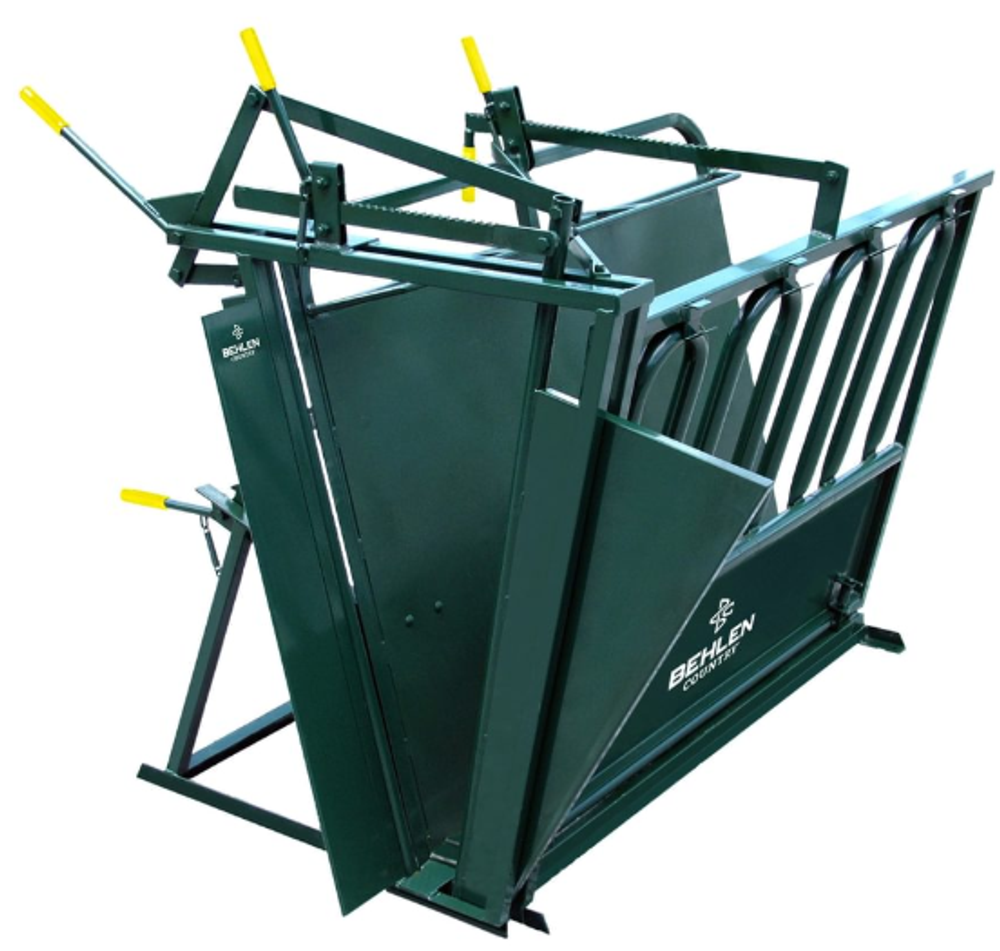
Behlen Country Calf Table
The Behlen table is described with a manually adjustable headgate and pivoting, locking side panels. It is a different mechanical design from the Powder River tables. Verify the current model's overall size, approved animal size and operation before purchasing rather than assuming that all manual calf tables have the same headgate arrangement.
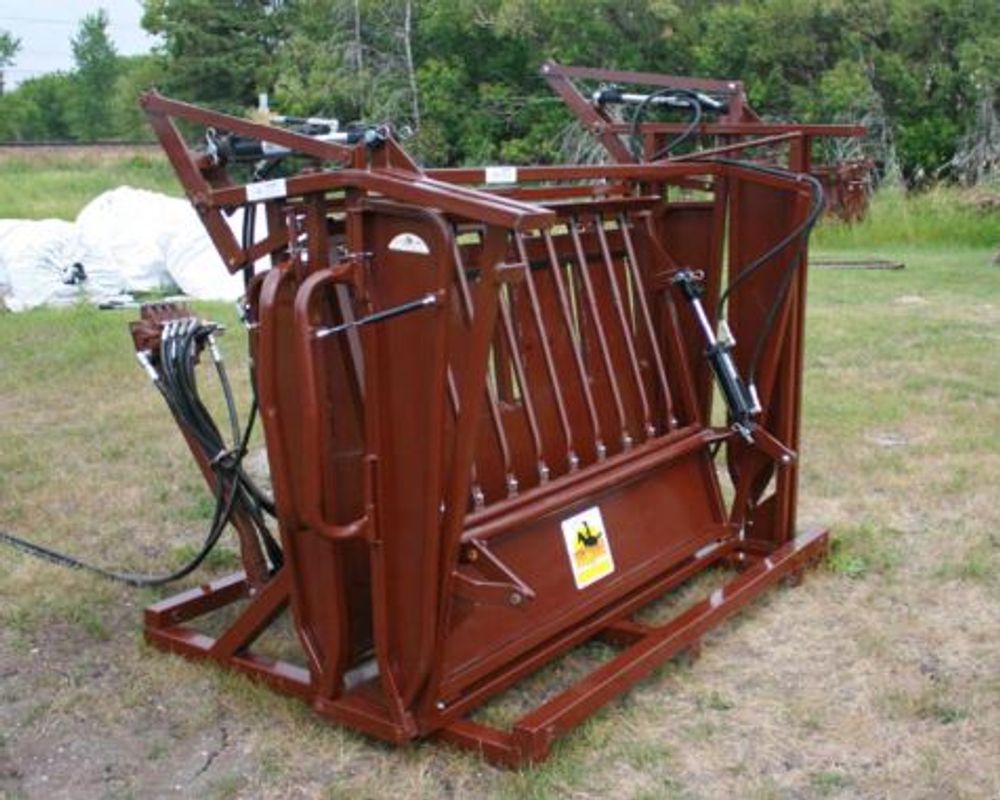
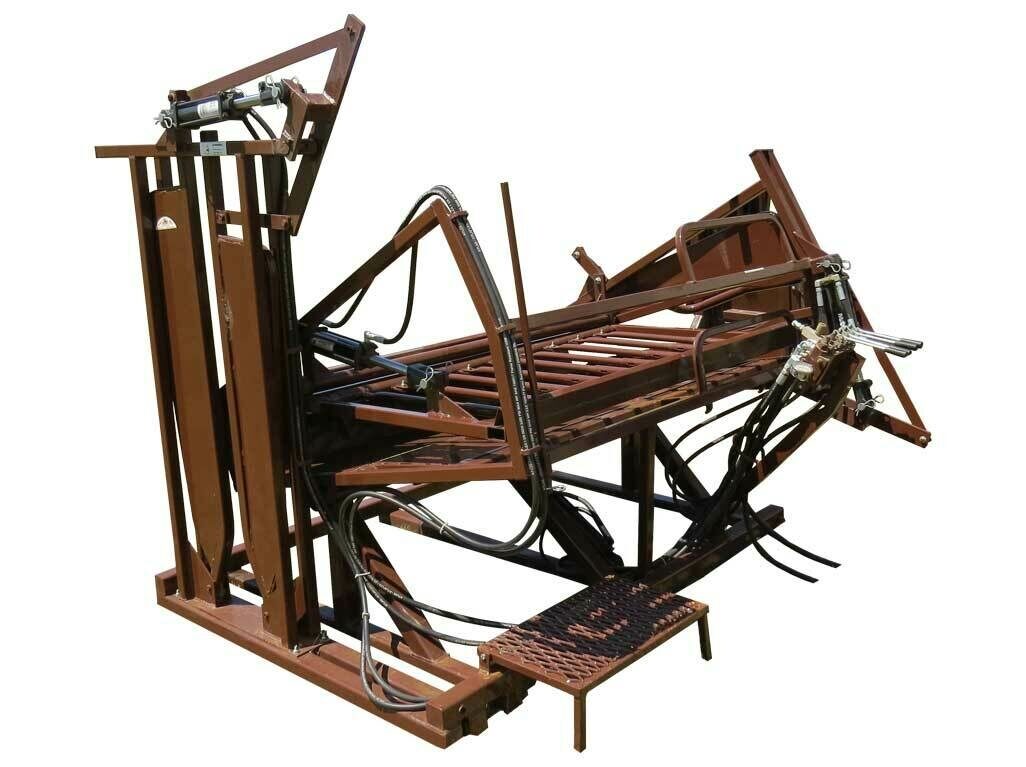
Hi-Qual Hydraulic Calf Chute and Tipping Table
This combination uses powered headgate, squeeze, tailgate and tilting functions. The product listing specifies calves up to 800 pounds and describes an approximately 1,100-pound machine, so delivery planning and mechanical unloading are important. Hydraulic operation may reduce the physical effort needed for some functions, but it requires additional training, maintenance and careful control of restraint pressure.
Inspect hydraulic hoses, control positions, accessible release points and the manufacturer's service requirements. Never bypass pressure protections or use the system on an animal outside its intended range. Confirm what power-unit and accessory options are part of the delivered configuration.
Planning the Working Alley and Surrounding Pens
A squeeze chute functions as part of a handling system, not by itself. A holding pen, suitable crowding arrangement and single-file alley help bring cattle to the restraint point in a controlled sequence. Gates need to prevent the next animal from entering while the first is being worked, and handlers need sufficient room to operate without stepping into an animal's path.
Animal movement can be disrupted by strong shadows, loud noises, dangling chains, slick footing or unexpected changes in the approach. A well-planned alley avoids unnecessary distractions and provides secure, properly sized openings. Keep the working area organized and allow for safe animal release after a procedure.
Before adding a chute to an existing facility, measure the alley width and height, gate swing, floor transition, working clearance and available anchoring points. The manufacturer's exact mounting requirements govern installation. Where a chute is used with a curved crowding tub or Bud Box system, assess the complete flow path rather than treating one component as a cure for an inefficient pen layout.
For year-round use, drainage and footing are significant. Mud, manure accumulation and ice can create hazards for animals and handlers. A stable, appropriately prepared base and routine cleanup support consistent handling and prolong the useful life of equipment.
Safer, Lower-Stress Cattle Handling
Calm handling begins before animals enter the chute. Working cattle in manageable groups, reducing excessive noise and respecting their response to people can help limit balking, lunging and unnecessary pressure. A well-designed facility supports the handler's work but cannot make improper handling safe.
Operators should understand flight zones, release procedures and the position of all moving gates and controls. Keep unauthorized people and bystanders out of the working area. Do not reach through moving components, stand in the path of an unsecured animal or improvise repairs while cattle are restrained.
Apply appropriate restraint without excessive pressure. Over-tight squeezing and poorly adjusted headgates can harm cattle. Observe the animal's breathing, footing and position, and use the manufacturer's directions for safe release when necessary. Veterinary professionals should direct medical or specialized procedures.
Inspect emergency-release mechanisms and ensure the chute operator can reach them. If cattle begin falling, slipping or repeatedly struggling, review the setup and handling method rather than simply increasing restraint force. Properly maintained equipment and trained workers are both necessary for safer processing.
Adding Weigh Bars and Livestock Scales
Producers may choose to weigh cattle during routine working sessions so that animals do not need to enter a separate facility for every measurement. A compatible chute can form part of a weighing system when correctly supported by the selected load bars and indicator. Accurate readings depend on all intended weight being transferred to the scale, without the equipment touching other fixed structures.
Check the total loaded capacity, which includes the weight of the chute and supported equipment along with the animal. Using a tare setting to display the animal's net weight does not increase the rated load of the scale. Protect cables and connectors from hooves, gates, cleaning equipment and moisture.
If weighing livestock for a regulated commercial sale, confirm whether the scale and its installation require additional testing or legal-for-trade approval. A management scale is not necessarily certified for all commercial transactions.
Palpation Cages, Brisket Bars and Chute Carts
Accessories can improve a facility, but they must match the selected equipment. A palpation cage may provide extra working or access space behind a compatible chute. Barn World's Sioux Steel cage is described for selected utility squeeze chutes with a particular flooring arrangement. Confirm the brand, model, floor, door direction and optional filler components before ordering.
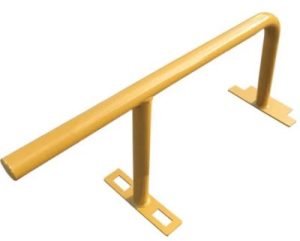
A brisket bar is designed to assist animal positioning in a compatible chute arrangement. It is not a stand-alone chute or a universal floor component. Verify the exact mounting requirements and avoid substituting similar-looking equipment that may not restrain animals as intended.
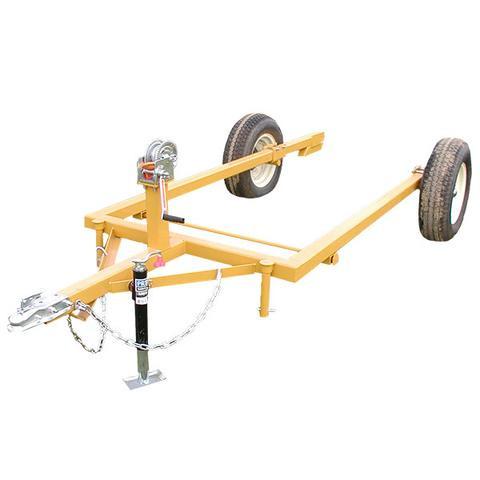
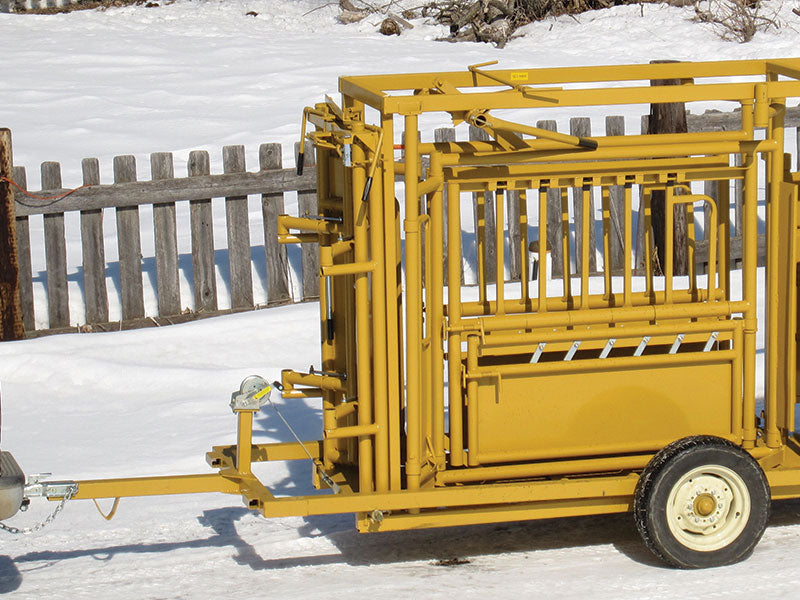
A squeeze chute cart is a separate transportation accessory. Confirm which chute or alley it is intended to carry, the approved loading method, dimensions, towing configuration and safe travel conditions. Moving a heavy chute on a farm cart does not automatically make the assembled equipment safe for highway travel.
Total Cost, Freight Quotes and Unloading Requirements
Chutes and calf tables are significant purchases, and the sticker price may be only part of the finished installation cost. Account for the chosen headgate, optional palpation cage or accessories, unloading equipment, compatible alleys and gates, site preparation, anchoring, labor and long-term maintenance. A more capable machine may justify its expense when it fits the actual herd and frequency of use, but additional features have little value if they are unnecessary or incompatible.
Freight can be substantial for heavy steel handling equipment. A hydraulic calf chute weighing approximately 1,100 pounds, for example, cannot be treated like a small parcel. Confirm whether the delivery location can accommodate a large freight vehicle and what machinery is available for unloading. Do not assume that a standard carrier will unload the equipment without prior arrangements.
To request an accurate quote from Barn World, provide the model, intended animal size range, headgate or hydraulic options, accessory requirements, quantity, delivery ZIP code and unloading conditions. Verify which options are included in the quoted system before comparing it with another manufacturer's equipment.
Cleaning, Maintenance and Long-Term Reliability
Before each working session, examine hinges, latches, controls, panels, gates, floor surfaces and mountings. Look for loose bolts, sharp projections, damaged welds, worn springs or cables, and controls that do not move normally. Clean manure and debris from sliding mechanisms and areas where animals stand or enter.
Follow the manufacturer's maintenance procedures for lubrication, replacement components and adjustment. On hydraulic systems, inspect hoses and connections only using approved methods and isolate stored pressure before service work. Damaged safety mechanisms should be repaired by qualified personnel rather than bypassed to keep the equipment in use.
Check the chute after transportation, unusually heavy animal pressure or an impact from machinery. A machine that has shifted from its anchor points or developed an uneven floor transition should not be returned to use until the cause is corrected.
Frequently Asked Questions About Squeeze Chutes and Calf Tables
What is the difference between a cattle squeeze chute and a calf table?
A squeeze chute generally restrains larger cattle in a standing position for approved work. A calf table is for appropriately sized calves and may provide a controlled tipping function for access to the animal's side.
Is the Powder River S1500 suitable for a mature bull?
No. Barn World's current S1500 listing states that it is designed for cattle up to 1,500 pounds and is not intended for mature bulls. Select a chute specifically rated for the animals being worked.
How much weight can Powder River calf tables handle?
The listed Classic and Deluxe models are designed for calves up to 450 pounds. Check body fit and the manufacturer's instructions in addition to the stated weight limit.
What is the weight limit on the Hi-Qual hydraulic calf chute?
Barn World's listing specifies calves up to 800 pounds. That is a model-specific animal limit, not a universal limit for all hydraulic calf tables.
Should I choose a manual or self-catching headgate?
Compare the animals' size and temperament, the experience of the operators and the available staffing. Both types require correct adjustment and training, and the manufacturer's safe-release procedure is essential.
Can a calf table handle a full-grown cow?
No. These calf tables have much lower animal-size limits and different restraint designs from full-size cattle squeeze chutes. Do not exceed the manufacturer's published operating specifications.
Does a squeeze chute need to be anchored?
Use the installation and anchoring method required for the chosen model and facility. A secure base helps prevent unwanted movement and dangerous gaps between the chute and adjoining alleys.
Can I use livestock scales with a cattle chute?
Many installations can incorporate compatible weigh bars and indicators when the chute is properly supported. Confirm total capacity, mounting details and how the weight is transferred to the scale.
What is a palpation cage used for?
It provides an additional controlled working area in a compatible cattle-handling system. The accessory should be matched to the actual chute, floor and gate arrangement rather than assumed universal.
Does a squeeze chute cart make my chute road-ready?
Not automatically. Confirm the cart's approved equipment, tow configuration, load rating and transport restrictions before using it outside the farm or on public roads.
What should I know before ordering a calf table or chute?
Identify the animals' weight and size range, operating options, space available, supporting alleys, unloading equipment and any accessories required. Give Barn World your desired configuration and delivery ZIP code for a complete freight estimate.