
Cattle Hay Feeders











Recently viewed
Cattle Hay Feeders for Round Bales, Hay Racks and Feeding Troughs
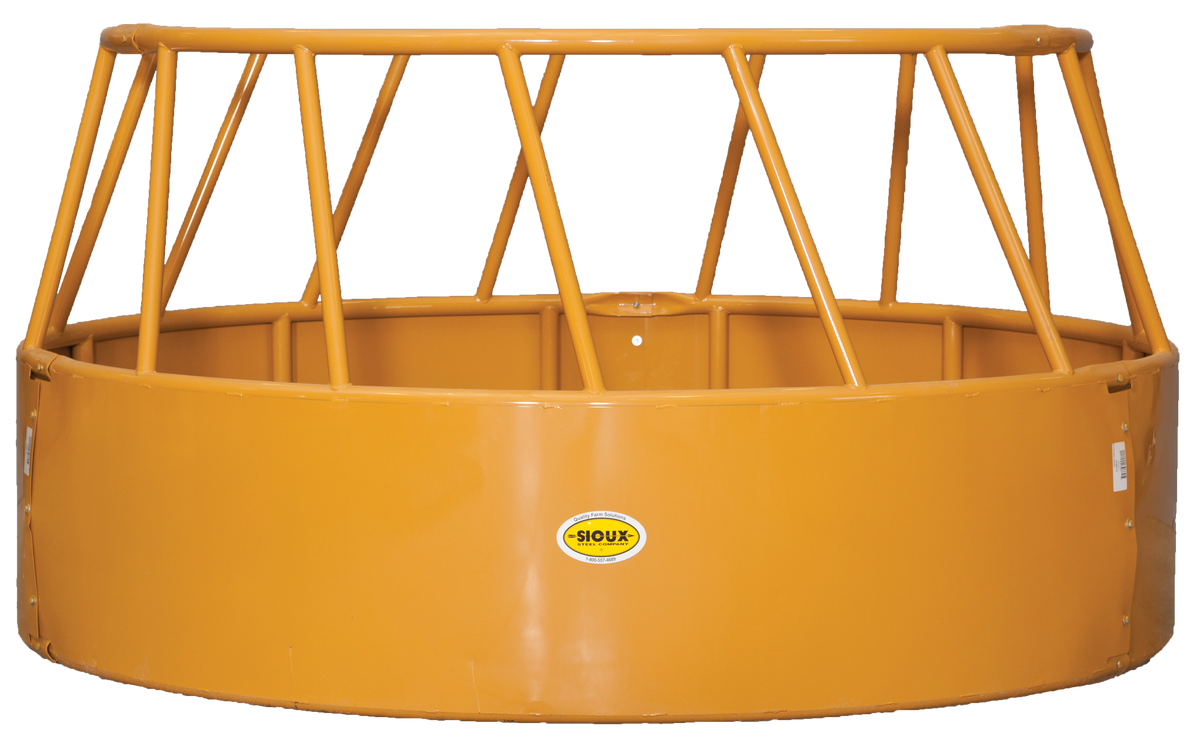
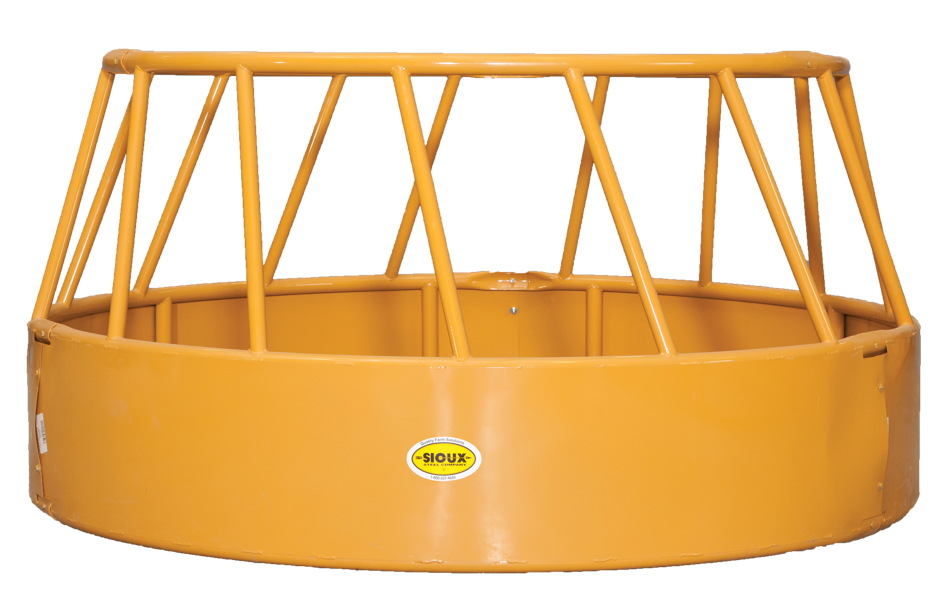
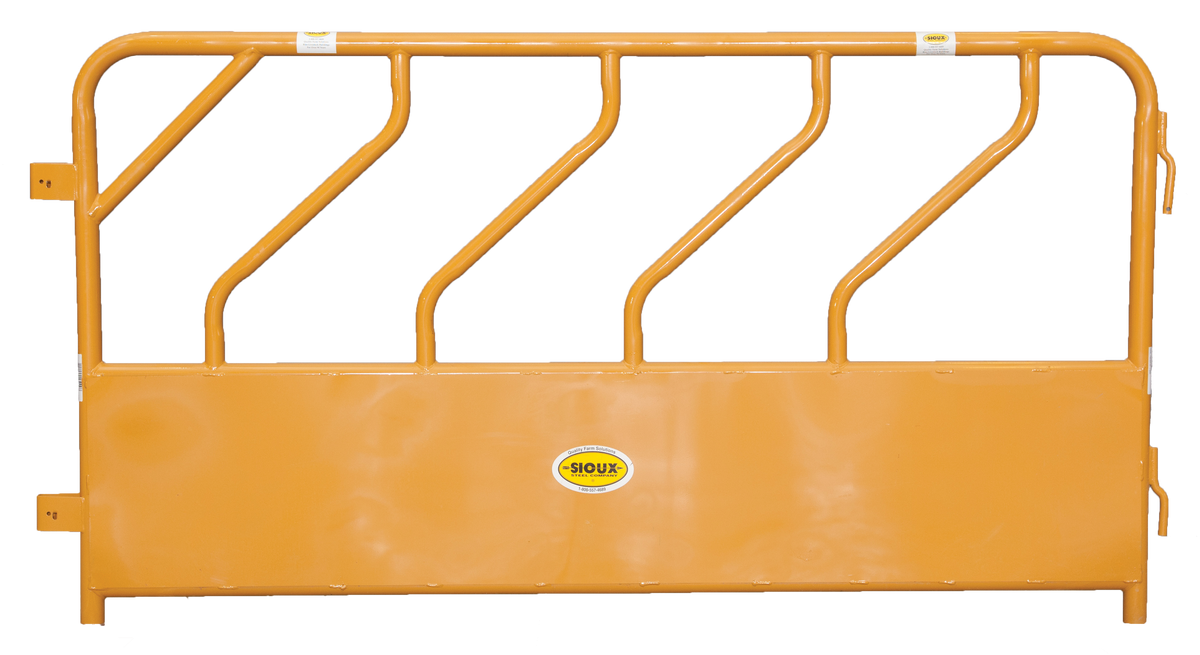
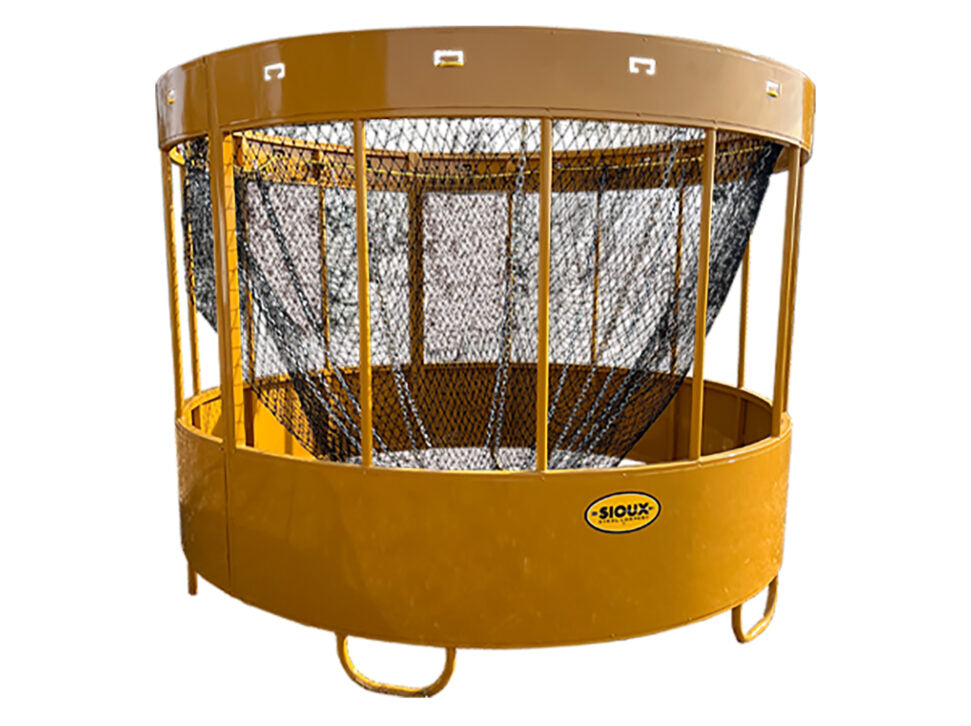
Compare cattle hay feeders for pasture feeding, winter hay storage and daily livestock chores. Barn World carries heavy-duty steel round-bale feeders, skirted hay-saving rings, tombstone-style openings for bulls and large cattle, rack-and-trough combinations, cone-style bale cradles and feeder panels. The best choice depends on the size of your bales, the cattle using the feeder, how many animals need access at once and whether you prefer to load a whole bale or feed loose hay and grain.
Looking for a feeder for sale? Select a style below, review its dimensions and construction, then request a delivered freight quote with your quantity and ZIP code. Many full-size cattle hay feeders are too large for economical parcel delivery, and freight cost varies by quantity and destination.
Compare Cattle Hay Feeder Styles
| Feeder design | What to look for | Barn World examples |
|---|---|---|
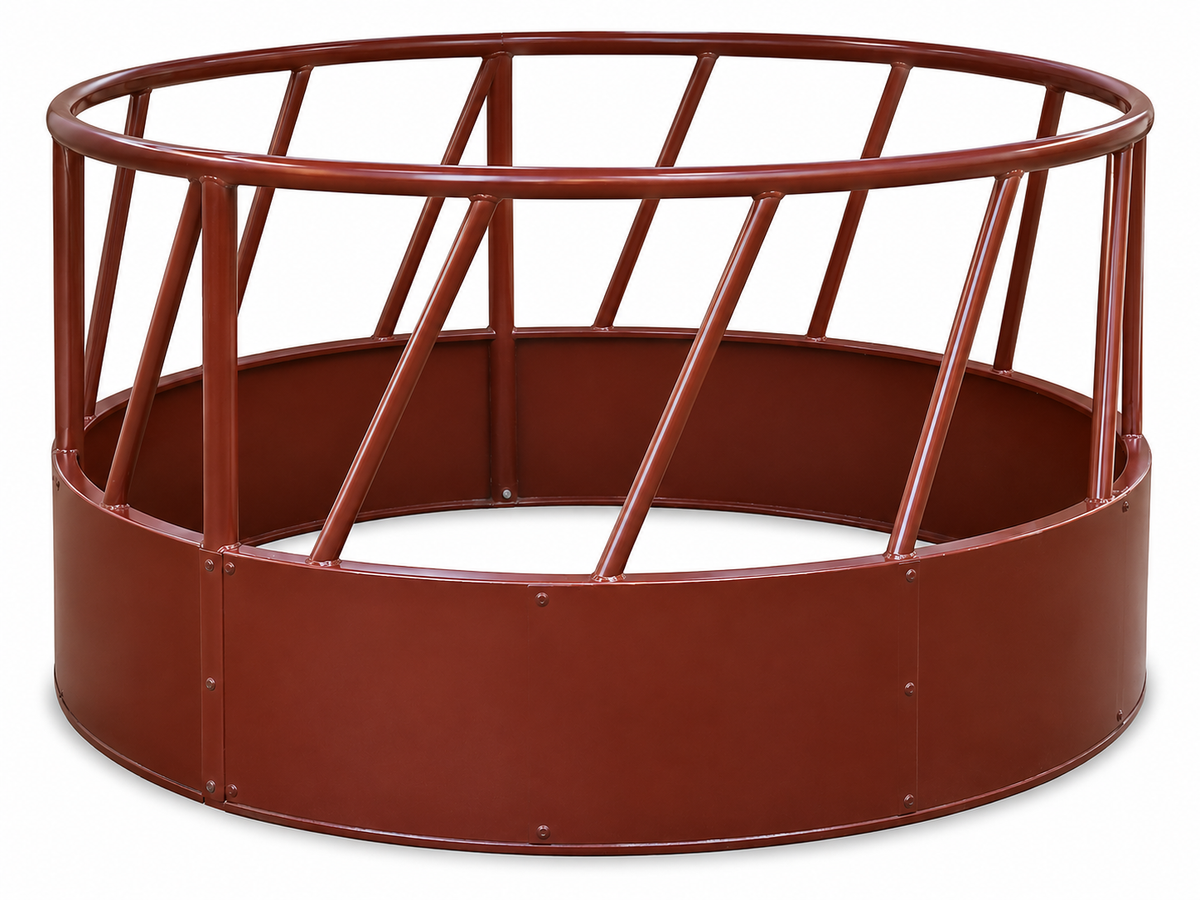
| Round bale rings | Bale diameter, feeding openings, rail strength and loading access | Heavy-duty round bale feeder |
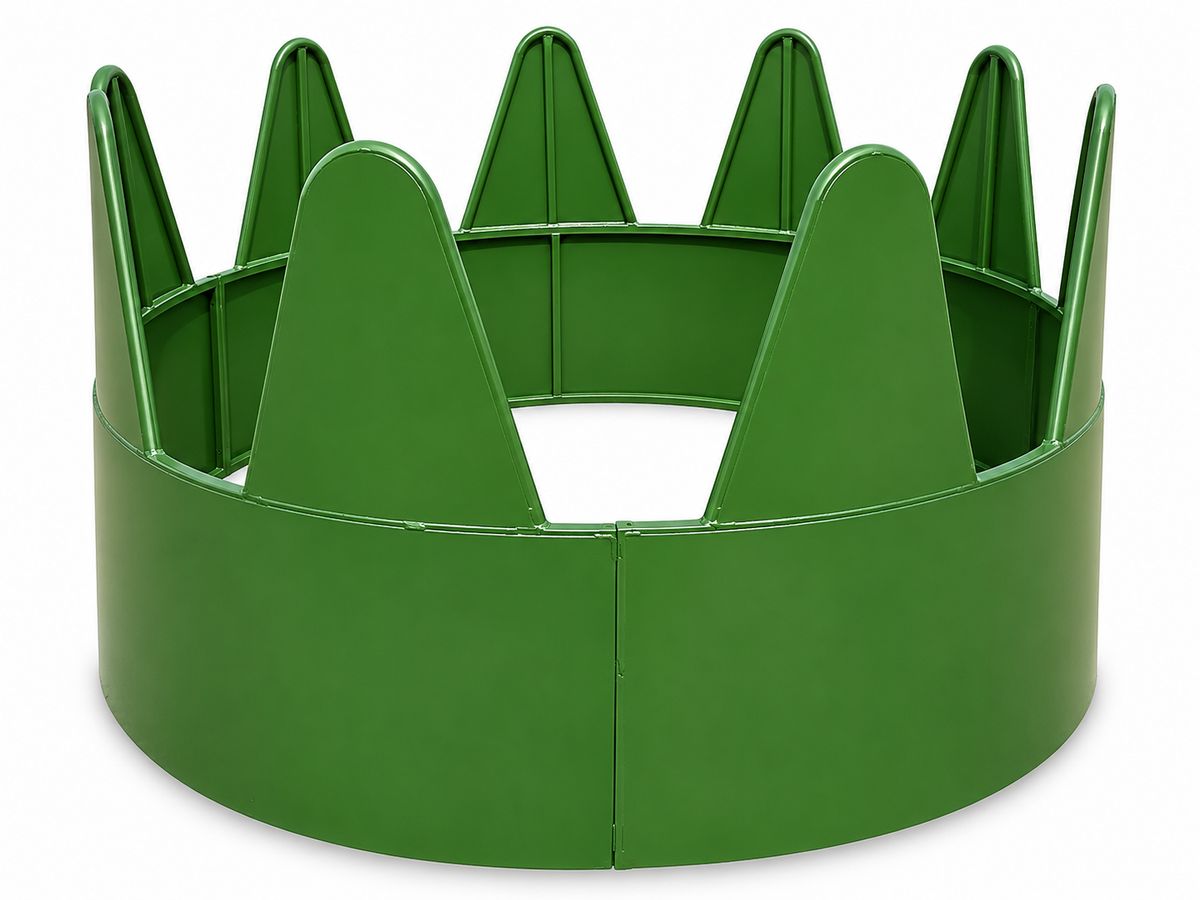
| Skirted bale feeders | Lower metal barrier can retain loose hay before it is trampled | Round bale feeder with skirt |
| Bull / tombstone feeders | Wider openings and heavier construction for large cattle | Tombstone-style bull hay feeder |
| Hay rack and trough | Separate hay rack and lower feeding trough for hay and grain use | Cattle hay rack and trough feeders |
| Hay cradle / cone-style | Internal bale support and feed-retention design | Hay Max round bale feeder |
For horned cattle, inspect the Longhorn hay feeder and its shielded openings. For smaller animals, compare calf hay feeders. Different designs are not interchangeable across all animal sizes.
How to Choose a Round Bale Feeder for Cattle
First check the size of the round bales you handle and the feeder’s inside diameter. Next compare the number and spacing of usable feeding positions with herd size. Larger bulls may need wider openings than calves or smaller cows. A skirt or internal cradle may help retain loose forage, but the actual amount saved also depends on hay condition, cattle behavior and the feeding surface. Finally, check whether the feeder arrives in bolted sections, its loaded handling requirements, and how it will be unloaded at delivery.
Choose a firm, well-drained feeding site with tractor access. Where animals feed outdoors through winter, monitor mud, manure and hay spoilage around the base. Keep the feeder in good repair, check for damaged rails and loose bolts, and remove contaminated hay.
How Cattle Hay Feeders Reduce Hay Waste
Hay is a major investment in a cattle operation, especially when winter feeding extends for several months. The expense includes growing or purchasing the forage, baling, storing, moving, and delivering it to the herd. Every armful that ends up ground into mud or mixed with manure represents feed you have already paid for but cannot use. A well-designed cattle hay feeder helps make more of each bale available for animals to eat.
When a round bale is set directly on the ground, cattle can pull hay loose, step on it, lie in it, and scatter it outside the feeding area. Once forage becomes wet, muddy, or contaminated, animals are more likely to reject it. A feeder provides a physical boundary around the bale, encouraging cattle to eat from designated openings instead of walking through the feed. Depending on the design, a lower skirt or retaining pan can also catch hay that drops as cattle pull mouthfuls from the bale. No feeder eliminates waste entirely, but keeping loose forage within reach can reduce the amount that must be replaced.
Keep Hay Contained and Feeding Areas Organized
Confining hay to a consistent location makes routine feeding easier to manage. Instead of distributing loose forage across a large section of pasture, a bale feeder concentrates feeding activity where cattle can gather around a defined structure. The result is a more predictable place to deliver new bales, inspect remaining feed, and remove material that is no longer suitable.
An organized feeding arrangement also makes it easier to plan tractor or loader access, watch herd behavior, and identify where mud or manure is building up. Rather than allowing cattle to pull hay into traffic lanes or bedding areas, a feeder helps establish a separation between the forage supply and the surrounding ground. The benefits depend on practical placement, sufficient room around the feeder, and regular cleanup.
How Feeder Design Affects Feed Retention
Not every cattle hay feeder manages loose forage in the same way. Simple round bale rings surround the bale and limit direct access to it. Skirted feeders add a lower barrier that can retain hay pulled from the bale before it falls to the ground. Feeders with an internal cone or raised bale support can help hold forage toward the center, while rack-and-trough arrangements separate the hay-holding area from a lower feeding space. These features may improve hay retention, but performance varies with the feeder's dimensions, cattle behavior, bale condition, and how it is filled.
Consider the herd as carefully as the bale. Mature bulls and large-framed cattle may require heavier construction and openings suited to their size. Calves and smaller cattle need a reachable feeding height and enough clearance to eat comfortably. Slant bars, vertical openings, and surrounding rails should be evaluated for safe access and the risk of animals becoming caught or crowded. A durable feeder is one that both retains forage and allows the intended livestock to feed without unnecessary difficulty.
Plan Enough Feeding Space for the Herd
One feeder may hold enough hay for several days but still provide too few places for cattle to eat at the same time. When feeding space is limited, dominant animals may displace smaller or less assertive herd members, increasing jostling and the amount of hay pulled out or knocked down. For larger herds, placing multiple feeders at practical distances from one another can improve access and reduce congestion.
Count usable feeding openings, not simply the number of bales a feeder can hold. Consider how often hay is replenished, whether calves feed alongside cows, and whether animals can safely approach and leave without being trapped against a fence or building. Observe cattle at feeding time; competition, animals waiting to eat, and excessive hay accumulating outside the feeder are signals that the arrangement may need to change.
Choose a Dry, Practical Location
Even a good feeder cannot protect hay that is repeatedly dropped into deep mud. Choose a well-drained site with firm footing and sufficient space for cattle to approach from the intended sides. Keep the surrounding area accessible to loading equipment without requiring machinery to pass directly through the herd. Avoid low spots where runoff collects and areas where manure quickly accumulates around the base.
If the same feeding site is used throughout the winter, gravel or another properly designed all-weather surface may help control mud. In pasture-based operations, periodically moving feeders can reduce wear on one location and distribute manure more broadly. Balance those benefits against the need for reliable vehicle access, safe handling of heavy bales, and adequate separation from other livestock facilities.
Make Each Bale Go Further Through Better Feeding Practices
Feeder design works best when paired with consistent hay management. Start with forage suited to the herd's nutritional needs and inspect bales for spoilage before offering them. Load the feeder according to its intended bale dimensions and the manufacturer's instructions. Keep hay accessible, but avoid continually topping up a feeder when large amounts of older, loose material remain underneath.
Check the ground around the feeder during routine chores. A noticeable ring of wasted hay can indicate that cattle are pulling out more than they eat, that the bale does not fit the feeder well, or that the feeding area is too muddy. Cleaning out spoiled material and adjusting feeding frequency can help keep fresh forage available. Hay quality, weather, herd size, and animal behavior all influence consumption, so the most efficient approach is the one that works consistently under your ranch's conditions.
Maintain Feeders for Long-Term Use
Livestock feeders work in a demanding environment. Cattle lean on rails, weather exposes steel to moisture, and loading equipment can accidentally damage frames. Inspect welds, joints, bolts, and panel connections regularly. Look for sharp edges, bent bars, loose parts, or openings that could cause an injury. For feeders supplied in sections, confirm that the sections remain securely joined after assembly and during use.
Remove accumulated spoiled hay and manure as needed, and repair damaged coatings before corrosion becomes extensive. Follow the product's installation and handling instructions when moving or loading a feeder. Regular inspection protects both the cattle using the feeder and the equipment investment.
Hay Feeders and Mineral Feeders Serve Different Purposes
Hay feeders provide a controlled location for forage, while mineral feeders are intended to offer supplements in the form appropriate to the herd's feeding program. Both are easier to manage when protected from unnecessary moisture and contamination, but they should not be treated as interchangeable equipment. Position mineral feeders and hay feeders with the needs of the livestock, product directions, weather exposure, and pasture traffic in mind. Monitor consumption and consult your veterinarian or livestock nutrition adviser about the correct mineral formulation and intake.
Frequently Asked Questions About Cattle Hay Feeders
Do cattle hay feeders really reduce wasted hay?
They can. A feeder restricts cattle from walking directly through a bale and may retain forage that would otherwise be trampled or spoiled. Actual savings depend on the style of feeder, hay quality, stocking density, weather, and feeding practices; no single reduction applies to every ranch.
What is the advantage of a skirt on a round bale feeder?
A lower skirt creates a barrier around the base of the feeder. It can keep hay that falls during feeding closer to the cattle instead of allowing it to scatter onto the ground. Skirt height and opening design should still be appropriate for the animals using the feeder.
Should I use one large feeder or several smaller feeders?
Base the decision on available feeding openings, herd size, animal class, bale size, and site layout. Several feeding stations can help reduce crowding and give less dominant cattle more opportunities to eat. A single large feeder may be practical for a smaller, compatible group when access is sufficient.
Where should a hay feeder be placed during winter?
A firm, well-drained area with safe livestock access and room for equipment is generally preferable to a muddy low spot. If cattle use the same location for an extended period, manage footing and manure buildup, or move the feeding area when conditions and pasture layout permit.
What should I check before ordering a cattle hay feeder?
Confirm the bale shape and dimensions, the size and age of the cattle, feeding openings, construction, assembly requirements, and space needed for loading. Review the individual product specifications and account for delivery and freight requirements before choosing a feeder for your operation.