Cattle Oilers & Cow Brushes
How Cattle Oilers Help Control Flies and Other Pests
If you’ve spent any time around cattle during fly season, you already know how frustrating pests can be, not just for you, but for your animals. Over the years, I’ve tried just about every method out there, and I keep coming back to one of the simplest and most effective solutions: a cattle oiler.
It’s one of those set-it-and-forget-it tools that quietly does its job every day, helping protect livestock from flies, lice, ticks, and other pests without adding more work to your routine.

How Cattle Oilers Actually Work (and Why They Work So Well)
The beauty of a cattle oiler is that it works with your animals’ natural behavior. Cattle already rub on anything they can find- posts, fences, trees, etc.- so placing an oiler in the right spot turns that habit into built-in pest control.
As they rub, the unit applies a small amount of insecticide or backrubber oil directly onto their coat. It hits the areas pests love most, along the back, neck, and head, without you having to chase animals down with a sprayer.
Most systems are gravity-fed with refillable reservoirs, so once they’re set up, they keep delivering consistent coverage with very little attention.
What I’ve Noticed After Using a Cattle Oiler
The difference is pretty obvious once you start using one. Less tail switching, less bunching, and overall calmer animals. And when cattle aren’t constantly fighting flies, they put that energy where it matters: weight gain and production.
- Better parasite control: Animals treat themselves multiple times a day
- Less stress on the herd: Fewer flies means more grazing and less irritation
- Improved performance: Healthier cattle tend to gain better and produce more
- Low labor: No regular spraying or rounding up cattle
- Year-round use: Works for summer flies and winter lice
When you consider how many flies alone can cost per head each season, it’s one of the easiest upgrades you can make.
Choosing the Right Type of Cattle Oiler
Not every setup is the same, and the right oiler depends on how and where your animals move. Here’s a quick breakdown based on what I’ve used and seen work well.
Spring-Mounted Cattle Oilers
These are a go-to for open areas and high-traffic spots. The spring action keeps steady pressure against the animal, which helps distribute the treatment evenly while holding up well over time.
- Single spring: A solid choice for smaller herds or lighter use
- Double spring: Better for larger herds and heavy traffic areas
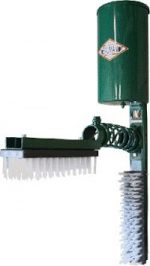

Most models come with either steel or poly tanks, and I personally like the translucent poly option, which makes it easy to see when you’re getting low.
Hanging Mop Oilers
If you’ve got a barn, alley, or a tight space where cattle pass through regularly, hanging oilers are hard to beat. They’re simple, affordable, and surprisingly effective.

The design allows the oil to wick into the mop strands, which then contact a large portion of the animal, from head to tail, as they walk through.
- Great for controlled traffic areas
- Very easy to install
- Low cost and minimal upkeep
- Excellent coverage across the back and shoulders
Goat & Small Livestock Oilers
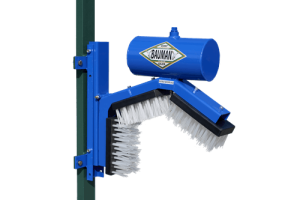
For goats, sheep, and smaller animals, a scaled-down oiler makes a big difference. Same concept, just sized right so they actually use it.

Installation Is Simple (and Maintenance Is Even Easier)
One of the reasons I recommend cattle oilers so often is how little time they take to manage. Most can be mounted or hung in under an hour, and after that, it’s just occasional checks.
- Top off the oil or insecticide as needed
- Keep brushes or mop strands clean
- Place units where cattle naturally pass or gather
That’s really about it. No daily effort, no complicated setup.
Using the Right Insecticide Matters
A good oiler works best when paired with the right backrubber oil or insecticide. Stick with products labeled for livestock and designed for oiler systems, and when in doubt, your vet is always a good resource for what works best in your area.
Why I Buy Cattle Oilers from Barn World
There’s a lot of equipment out there, but I’ve had the best luck sticking with products that are built to hold up and actually perform long-term. That’s why I keep coming back to Barn World.
- Durable construction: Built for real ranch conditions
- Multiple options: Easy to match your setup and herd size
- Fast shipping: No long delays during peak season
- Helpful support: Easy to get answers when you need them
Get an oiler for your animal's health
If you’re dealing with flies, lice, or ticks, a cattle oiler is one of the simplest ways to get ahead of the problem. It improves animal comfort, supports better health, and saves a lot of time compared to manual treatments.
Frequently Asked Questions About Cattle Oilers
Do cattle oilers really help control flies?
Cattle oilers can help reduce flies and other external pests by applying a small amount of livestock-approved treatment to cattle as they rub against the oiler. They work best as part of an overall pest-control program.
How does a cattle oiler work?
A cattle oiler uses the natural rubbing behavior of cattle to distribute oil or an appropriate insecticide across areas such as the back, neck, and head. Many models use a reservoir that supplies the treatment as the animal rubs against the brush, mop, or applicator.
Where should a cattle oiler be placed?
Place the oiler where cattle naturally pass, gather, or spend time. Common locations include near waterers, mineral feeders, gates, alleyways, and other high-traffic areas. The goal is to make the oiler easy for the herd to use without forcing them to change their normal routine.
How often do cattle use an oiler?
Usage depends on the herd, season, and location of the oiler. When placed in a frequently used area, cattle may rub against it several times throughout the day, providing repeated opportunities for pest-control treatment.
What should I put in a cattle oiler?
Use only a livestock-approved backrubber oil or insecticide that is labeled for use with the type of oiler you have. Follow the product label for mixing, application, and safety instructions. If you are unsure which treatment is appropriate for your herd, consult your veterinarian.
What is the difference between a spring cattle oiler and a hanging mop oiler?
Spring-mounted oilers are designed for cattle to push and rub against, making them useful in open areas and locations with regular traffic. Hanging mop oilers work well where cattle move through a barn, alley, or other controlled passage. The best choice depends on how your cattle move through the area.
Can cattle oilers be used for more than fly control?
Yes. Depending on the treatment used, cattle oilers may also be used to help manage other external pests, including lice and ticks. The treatment product should always be labeled for the specific pest and livestock species involved.
How do I maintain a cattle oiler?
Maintenance is generally straightforward. Check the reservoir regularly, refill it as needed, inspect the applicator or mop for wear or buildup, and make sure the oiler remains securely mounted. Regular checks help keep the system working properly throughout the season.
Can cattle oilers be used for calves or smaller livestock?
Some oilers are designed specifically for smaller animals. Goats, sheep, and calves may require a unit sized appropriately for their height and body size. Choose equipment that the animals can comfortably reach and use.
Will a cattle oiler replace other fly-control methods?
A cattle oiler is one tool for managing flies and other external pests, but it may not eliminate the need for other control measures. Sanitation, manure management, pasture conditions, and other pest-control practices can all affect fly populations.
Browse all cattle oilers and find the setup that fits your operation.
Once you have one in place, you’ll wonder why you didn’t do it sooner.
Call, Email, or Chat anytime; we’re happy to help.
Barn World | (720) 238-2190 | Sales@BarnWorld.com