

ALL CATTLE OILERS
Cattle Oiler with Plastic Tank and Dual Springs
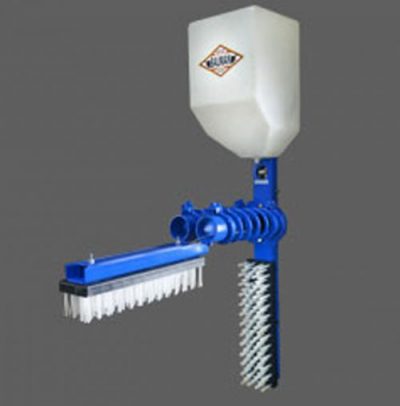
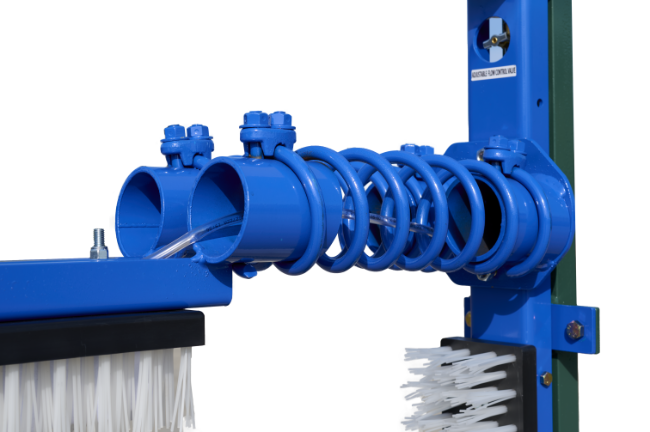
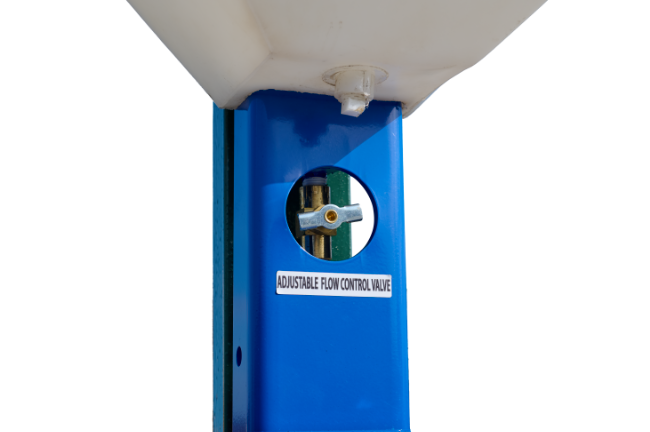
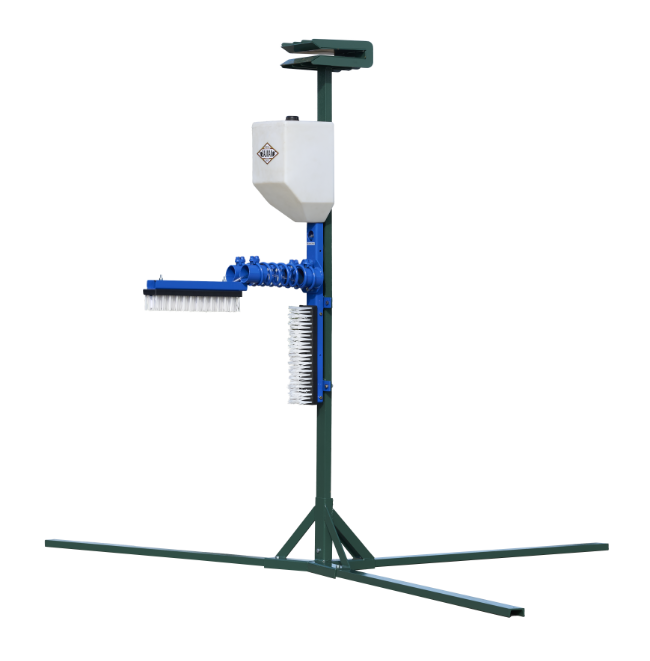
This heavy-duty cattle oiler combines a 5.5-gallon plastic reservoir, two top springs, adjustable grooming brushes and a pressure-activated liquid control valve. The plastic tank lets you check the liquid level visually, while cattle activate the brushes as they rub against them. When pressure is released, the valve is designed to close and limit unnecessary dripping.
Designed for livestock grooming and use with appropriately labeled pest-control products, this model offers more reservoir capacity than our steel-tank cattle oiler. Compare other cattle oilers and cow brushes to find a configuration suited to your herd.
Cattle Oiler Features
- Heavy duty - 5' long and 75 lbs.!
- The plastic oil tank holds 5.5 gallons
- Fuel-resistant supply lines to the valve
- The valve is for pesticide flow control
- Adjustable brushes
- Double top springs
- Brushes designed to remove excess hair
- Ships at 75 lbs. in 12" x 12" x 60"
Cattle Oiler Image Gallery


How to use a cattle oiler
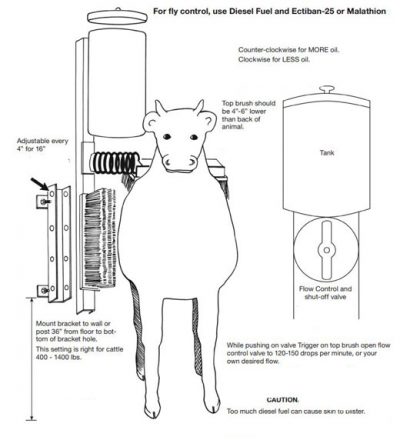

Benefits of Cattle Self-Grooming and Targeted Pest Control
Cattle naturally rub against posts and other objects to scratch their coats. A cattle oiler provides a dedicated brush surface that animals can use during normal activity. As an animal presses against the brush, the valve mechanism is designed to dispense liquid to the applicator. The brushes also help loosen excess hair and debris.
When used with an appropriately labeled livestock treatment, an oiler can form part of a fly- and parasite-management program. Results vary with the pest species, product, weather, maintenance and how often animals use the equipment. It does not guarantee complete control or prevent every pest-borne disease. Follow all pesticide-label directions, including permitted application methods, species restrictions and any meat or milk withdrawal intervals.
Daily Convenience for Ranch Operations
An accessible oiler can reduce the need for some individual hand applications, but it is not maintenance-free. Monitor the animals' use, reservoir level and brush contact, and adjust your broader pest-management plan as needed.
Long-Term Serviceability
Replaceable brushes, springs, lines and valve parts can help keep a sound unit working through successive grazing seasons. Inspect the assembly regularly and address wear before dispensing or grooming performance declines.
Cattle Oiler Parts List
These parts are made available so you don't need to replace the entire unit. If one becomes worn or needs replacing, simply order a new one, and you get to put the oiler right back to use immediately. Please email or give us a call, and we'll be happy to forward pricing and shipping for you.
Detailed Cattle Oiler Parts Diagram

Why Choose the Dual-Spring Plastic-Tank Cattle Oiler?
The two-spring top-brush assembly is a defining feature of this cattle oiler. It provides a reinforced brush arrangement for cattle to push against during use. The 5.5-gallon plastic reservoir also offers more liquid capacity than the smaller 3-gallon steel-tank model, which can be convenient when serving cattle at a well-used pasture location.
Because the tank is plastic, the remaining liquid level can be checked without opening an opaque metal reservoir. Neither capacity nor spring count alone determines which oiler is best; compare the herd's size, frequency of use, mounting arrangement, handling needs and maintenance requirements.
How the Pressure-Activated Cattle Oiler Works
Unlike a continuously dripping applicator, this design relies on cattle pressing and rubbing against the upper brush assembly. That movement operates a control valve, permitting treatment liquid to reach the grooming brushes when animals engage with the oiler. The valve is intended to close when the pressure is removed, which helps limit waste between uses.
The adjustable brushes make it possible to position contact surfaces for the cattle using the equipment. Inspect the valve and supply line after installation and during routine service to ensure liquid moves as intended and does not leak when the unit is idle.
Where to Install a Cattle Oiler for Regular Use
Location matters as much as equipment design. Consider accessible cattle travel routes where animals naturally move between pasture, water and feeding areas. Provide enough room for safe approach and departure, and avoid corners or tight spaces that limit brush contact.
Use the manufacturer's mounting and height instructions for the herd being served. The upper brush should be positioned so cattle can apply appropriate upward pressure without forcing awkward contact. After installation, observe whether animals use both the top and side brushes, and check for crowding or avoidance.
Choosing a Plastic-Tank or Steel-Tank Oiler
The choice between the plastic- and steel-reservoir designs is more than a material preference. This model has a 5.5-gallon reservoir and dual top springs, while Barn World's steel-tank model has a 3-gallon reservoir. A larger tank may reduce filling frequency under similar conditions, but actual service intervals depend on animal use and valve adjustment.
Evaluate installation space, tank visibility, available replacement parts and the level of animal traffic before selecting either design. Browse the steel-tank cattle oiler for comparison.
Routine Care of Brushes, Springs and Flow Controls
Inspect the brush fibers and adjust their position as needed so cattle can make consistent contact. Examine both top springs, the supply line, control valve and mounting points for wear, damage or loose hardware. Check that liquid delivery stops when brush pressure is released.
Keep the tank and applicator free of debris as directed by the equipment and treatment manufacturers. When replacing a worn component, match the correct part to the oiler model rather than assuming every replacement brush or valve is interchangeable. Find compatible options in cattle oiler parts.
Using Approved Livestock Pest-Control Products
Use only pesticide products specifically labeled for the animal species and the intended self-application equipment. Read and follow the full label for dilution, allowed carrier liquids, application rates, safety practices, storage and withdrawal requirements. Never assume all insecticides or concentrates are suitable for an oiler or that a fuel-resistant line establishes chemical compatibility.
Fly populations and management needs vary throughout the year. Check treatment effectiveness periodically and discuss the broader parasite-control program with your veterinarian or livestock adviser.
Plan Your Order and Long-Term Maintenance
The listed oiler is approximately 5 feet long, weighs around 75 pounds and ships in a package measuring approximately 12 x 12 x 60 inches. Confirm current product options, shipping arrangements and installation hardware before ordering. Access to replacement parts can help extend the useful life of a working oiler rather than requiring replacement of the entire assembly.
For help selecting the plastic-tank dual-spring design or comparing alternatives, contact Barn World with your herd size, intended location and delivery ZIP code.