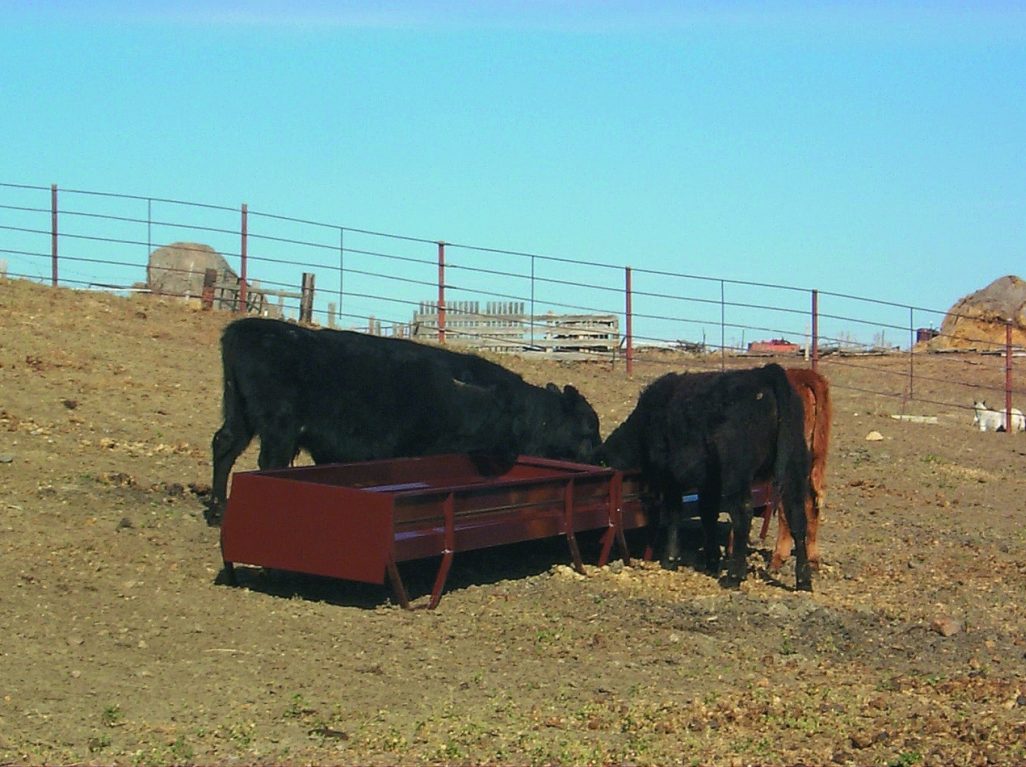



Browse our metal bunk feeders.
Feed Bunk for Silage – 15″ Deep
This all-steel silage feed bunk has a 15-inch-deep trough with a 32-cubic-foot capacity for bulky forage feeding. Corrugated 16-gauge sides, 14-gauge ends and a powder-coated finish make it a practical option for livestock feeding lines. The square ends allow compatible bunks to be positioned together, while the trough depth offers more capacity than the related grain model. Choose placement and feeding height to suit your animals and equipment.
This bunk feeder is the same high quality as the 9" Deep Grain Feeder!
Specifications
| Specification | Detail |
|---|---|
| Sheeting | 16-gauge corrugated steel; continuous hemmed sides and 14-gauge ends |
| Dimensions | 11½ feet long × 30 inches wide × 22 inches high × 15 inches deep |
| Finish | Baked-on powder coat |
| Weight | 188 pounds |
| Capacity | 32 cubic feet (approximately 26 bushels) |
| Legs | 1¼-inch square, 16-gauge steel |
| Ends | Square |
| Warranty | 1 year |
| Optional Bunk Connector Specifications (separate accessory) | |
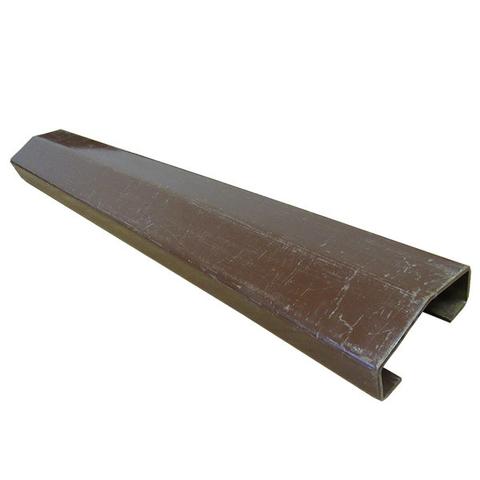
| Connector steel | 10-gauge hot-rolled steel (thicker than 12-gauge steel) |
| Connector dimensions | 26 inches long × 3⅞ inches wide; 2³⁄₁₆-inch opening |
| Connector finish | Baked-on powder coat |
| Connector weight | 7.5 pounds |
| Connector warranty | 1 year |
Silage Feed Bunk Feature Photos


Feed Bunk Video Overview
See the steel feed bunk construction, square-end design and connector demonstration.
Video Highlights
The demonstration shows features shared by the steel grain and silage feed bunks, including their construction, square ends and connecting accessories. The 15-inch silage model offers 32 cubic feet of capacity.
Why This Feed Bunk Stands Out
One of the key advantages of this 15″‑deep bunk is the balance it strikes between feed volume and manageability. Its depth allows more silage to be loaded in one pass while remaining easily accessible for cattle. This reduces labor time spent topping off feed while ensuring all animals can reach it comfortably.
The design also minimizes feed waste. A bunk that is too shallow or too deep can lead to scattered feed and higher loss. This bunk's 15″ depth strikes the perfect balance between capacity and efficiency, keeping feed use optimized and reducing operational costs.
Its simple, rugged construction makes it easy to operate and maintain. With no complicated add-ons, your team can quickly load, manage, and clean the bunk, saving both time and labor while maintaining healthy feed access for livestock.
Ideal Use‑Cases and Best Practices
This feed bunk is ideal for operations feeding high‑moisture silage to mid‑ to large‑sized herds. It is perfect for daily or multiple feedings, providing reliable, accessible feed without excessive labor.
For best results, place the bunk in high-traffic feed-out areas with easy loader access. Allow enough clearance around the edges for smooth feed distribution and perform regular cleaning to prevent buildup and maintain full depth. Its moderate depth ensures even smaller or younger animals can feed comfortably.
Maintenance & Longevity
Built to handle heavy silage loads and daily use, this bunk is designed for long-term durability. Regularly inspect welds and side panels for stress or wear. Keep the bottom clean, avoid overfilling, and ensure proper drainage if placed outdoors. Proper care helps prolong service life and ensures consistent feeding performance.
Feed Bunk Connectors
When placing your feed bunks end-to-end, these handy connectors keep them held tight together so they will not come apart. The grain cannot fall between the feeders or be forced apart. They are also very handy when you need to move multiple feed bunks, as they can be used to pull each other like a train.
The optional connector specifications are included in the table above, separately from the feed bunk measurements. For the same type of steel, 10-gauge is thicker than 12-gauge; the feeder itself uses 16-gauge corrugated side panels and 14-gauge end panels.