

See all of the Grain Bin Wall Repair Kits
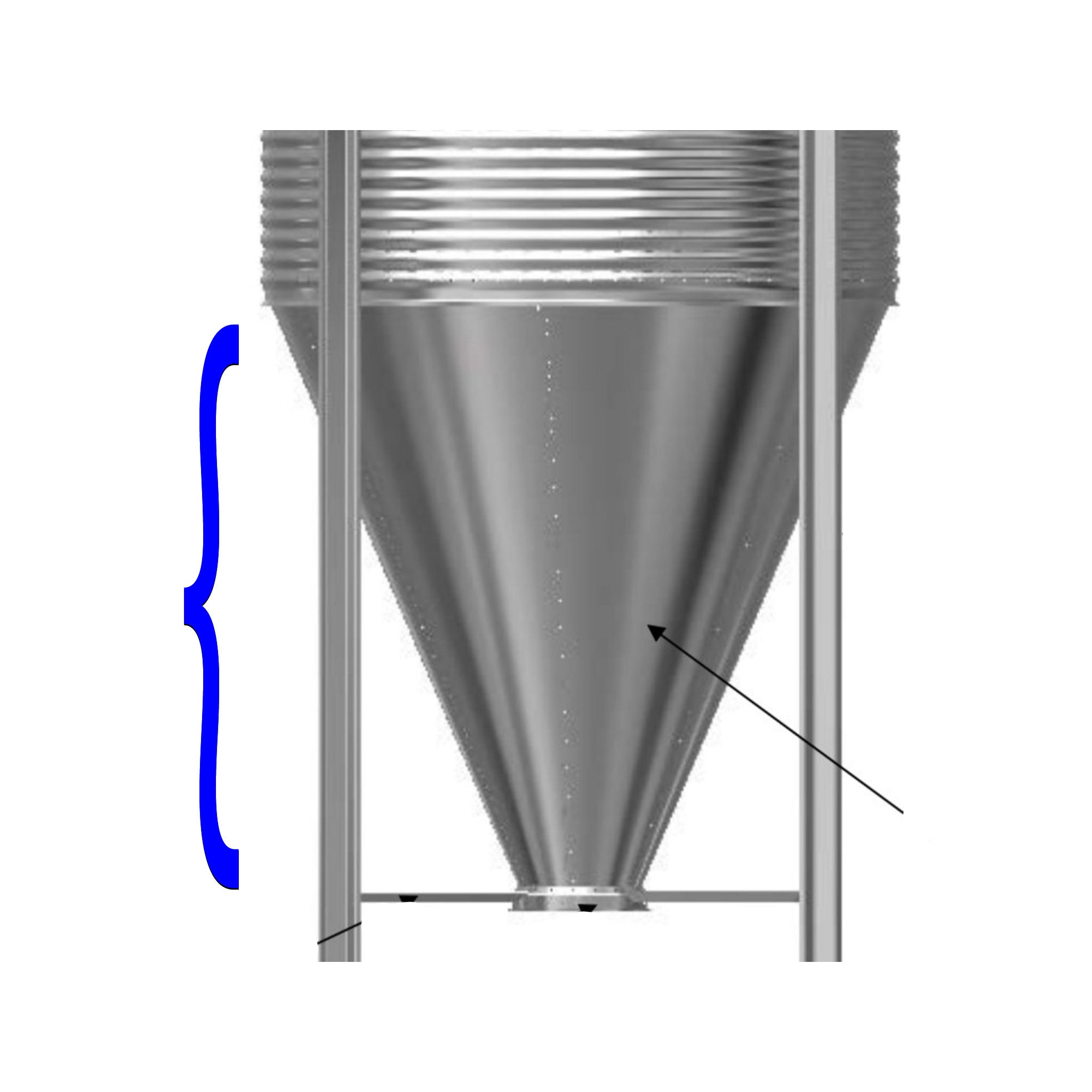
To keep your feed bin in a safe condition, make sure to check that your load-bearing hopper walls are in good shape. The manufacturer identifies this replacement kit for certain older-style 7-foot Sioux Steel, Brock and PAX feed bins. Verify the actual hopper diameter, six-panel arrangement, 85¾-inch sheet length, 3⅛-inch bolt spacing, and hole counts before ordering; the brand name alone does not guarantee fit. The kit includes (6) hopper walls, which are made with 18-gauge, G-90 galvanized steel.
Six 18-gauge G90 galvanized hopper wall panels, with hardware and sealant included.
Compare Hopper Wall Sheet Dimensions
7-Foot Hopper Wall Kit Specifications
- (6) hopper wall sections
- Sheets are 85-3/4" long
- Bolt hole spacing is 3 1/8” on top and bottom
- There are a total of 15 holes on top and 5 on the bottom
- Includes sealant and hardware!
- Built for the old design of the Sioux Steel Bulk Feed Bin
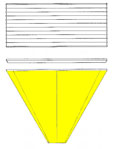
Feed Bin Wall Sheet Diagram

Taper Sheet and Leg Connection

We also offer bottom bin attachments for controlling feed release from the bottom of the bin. There's also a side-mounted slide valve that allows you to fill five-gallon buckets without having to crawl underneath the bin itself.
Side-Mounted Feed Bin Slide Valve

Check Hopper Compatibility Before Ordering
The manufacturer references older Sioux Steel, Brock and PAX feed bins as potential applications for these hopper wall sections. Match the existing bin's actual diameter, six tapered panels, sheet length and bolt pattern to the specifications above. These are tapered hopper sheets, not cylindrical sidewall panels; verify all dimensions before ordering replacement parts.
When to Replace Grain Bin Hopper Walls
Corroded or damaged hopper walls can affect the condition of the feed bin. Replacing compatible panels may extend the useful service life of a bin when its supports, legs, upper walls and foundation remain in good condition. Inspect adjoining metal, seams, structural connections and the discharge area before proceeding. If other load-bearing components are compromised, replacing only the tapered sheets may not be sufficient.
Planning a Safe Hopper Repair
Empty the bin and follow appropriate procedures to support the structure before removing hopper panels. Have a qualified installer review the condition of the supports, appropriate disassembly order, sealant application and required fastener installation. Use the included hardware and sealant according to applicable instructions. Do not force mismatched panels or modify bolt holes to compensate for an incorrect kit.
Galvanized Steel and Ongoing Maintenance
G90 galvanized steel helps resist corrosion, but standing moisture and damaged connections can still cause deterioration. Inspect fasteners, seams and hopper supports periodically. Address water entry, corrosion and other conditions that caused the old panels to fail, helping protect the replacement walls and stored feed.
Repair Parts and Freight
For a different hopper diameter, browse our grain bin wall repair kits. We also carry grain bin accessories, including discharge and slide-valve components. Contact Barn World with your bin measurements, panel count, quantity and delivery ZIP code for parts assistance and a freight quote.