


SHOP ALL OF OUR 1 - 80 GALLON OPEN WATERERS
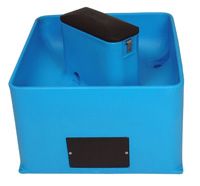
This 40-gallon automatic livestock waterer provides an open drinking trough for cattle in barns, feedlots, dairy facilities and other managed livestock watering areas. Its design combines a large drinking perimeter with a serviceable valve compartment, helping animals access water while allowing operators to maintain the supply system.
Unlike a basic portable stock tank that must be filled manually, this waterer is designed for connection to a pressurized water supply. The reservoir stores up to 40 gallons, while the connected valve system replenishes water as animals drink. An optional 500-watt heater configuration is available for installations requiring additional freeze protection.
Explore Barn World's livestock waterers for other trough sizes and configurations.
40-Gallon Livestock Waterer Specifications
| Livestock Waterer Specifications | |
|---|---|
| Water Capacity | 40 gallons |
| Drinking Perimeter | 168 inches, as listed in the original specifications |
| Drinking Height | 26 inches, as listed in the original specifications |
| Water Supply | Automatic connection to a pressurized water line |
| Valve Access | Quick-release service cover |
| Valve Compartment | Diagonal compartment design |
| Connection Hose | 24-inch hookup hose with shutoff valve |
| Drainage | Two bottom drains |
| Anchoring | Stainless steel anchor bolts included |
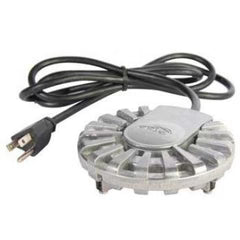
| Heater Option | 500-watt heater, available with selected variant |
| Installation | Licensed plumber required by original product instructions |
Manufacturer livestock-capacity reference figures in the original listing are 110 dairy cattle or 225 beef cattle. These figures should not be treated as guaranteed stocking capacities. Actual suitability depends on animal size, consumption, water pressure, refill rate and available drinking access.
Automatic Water Supply for Cattle
Reliable access to drinking water is essential in livestock facilities. The 40-gallon reservoir provides stored water, while the automatic valve system is intended to replenish the trough as water is consumed.
This arrangement reduces the need for routine manual filling when the waterer is correctly installed and supplied by an adequate water line.
For cattle operations, the most important considerations are not just reservoir capacity but also the rate at which water enters the trough and the number of animals drinking during peak periods.
Planning for Peak Water Demand
Cattle may drink in groups, particularly after feeding, handling or during hot weather. When several animals approach a trough within a short period, the water supply must replenish the reservoir quickly enough to maintain usable drinking depth.
Before installation, evaluate the incoming water pressure, line size, valve performance and expected number of animals using the waterer.
Generous Drinking Access
The original product specifications list 168 inches of drinking space. The diagonal valve compartment is intended to leave more of the surrounding perimeter available for livestock access.
Providing multiple approach positions can help reduce congestion compared with a watering arrangement that only permits one animal to drink at a time.
However, actual simultaneous drinking capacity depends on animal size, spacing, surrounding fencing and the layout of the installation.
Positioning the Waterer
Choose a location that allows cattle to approach and leave without being trapped in a narrow corner. Consider placing the waterer where animals can access the drinking perimeter without blocking traffic through an alley or handling area.
Provide adequate space for operators to reach the service compartment and drains without unnecessary contact with livestock.
Serviceable Valve Compartment
The waterer includes a quick-release valve access cover designed to simplify inspection and maintenance.
The original description also identifies a 24-inch hookup hose with a shutoff valve, allowing the water supply to be isolated for appropriate servicing.
Regularly inspect the valve, hose and connections for leaks, mineral buildup or restrictions that could reduce refill performance.
Cleaning and Drainage
Two bottom drains allow the reservoir to be emptied for cleaning and maintenance.
Routine cleaning helps remove sediment, feed particles and other debris that can accumulate in livestock watering equipment.
A practical maintenance routine includes:
- Checking water level and refill operation regularly.
- Removing floating debris and accumulated sediment.
- Inspecting the valve compartment and plumbing connections.
- Draining and cleaning the reservoir when needed.
- Checking the surrounding ground for mud, erosion and standing water.
- Inspecting anchor bolts and the supporting surface.
Cleaning frequency should reflect animal use, water quality and environmental conditions.
Optional 500-Watt Heater for Cold Weather
The product is available with or without a 500-watt heater. The original listing describes the heater as installed underground beneath the waterer.
For winter use, evaluate the complete freeze-protection system, including water supply piping, valve compartment, electrical service and local temperatures.
A heater does not automatically guarantee freeze-free operation in every climate or installation. Follow the manufacturer's installation instructions and confirm the heater configuration before ordering.
Choosing Between the Two Variants
| Option | Application |
|---|---|
| Waterer Without Heater | For installations where a separate freeze-protection solution is not required or is already provided. |
| Waterer with 500W Heater | For installations requiring the listed heater option, subject to electrical and plumbing requirements. |
Select the appropriate option using the product choices above. Confirm current pricing and installation requirements before purchasing.
Installation Considerations
The original product instructions specify installation by a licensed plumber. Plan the installation around the water supply, support surface, drainage and livestock access.
- Select the location. Allow sufficient room for animal access and maintenance.
- Confirm the water supply. Check that available pressure and flow meet the waterer's requirements.
- Prepare the support. Use an appropriate level foundation or mounting surface.
- Anchor the unit. Install the supplied stainless steel anchor bolts according to the manufacturer's instructions.
- Connect the plumbing. Use the specified connection and shutoff arrangement.
- Install optional heating. Follow the manufacturer's electrical and underground installation requirements.
- Test the system. Verify valve operation, refill performance, drainage and leak-free connections before allowing livestock access.
Overall dimensions should be confirmed for the current model before preparing the concrete pad or final plumbing layout.
Why Water Supply Matters for Livestock Performance
Water availability affects feed intake, digestion, body-temperature regulation and overall animal well-being.
For dairy and beef operations, reliable water access is an important part of managing livestock productivity. A properly sized automatic waterer can help maintain consistent access while reducing the labor involved in manual filling.
Waterer selection should account for herd size, expected consumption, weather conditions and the ability of animals to drink without excessive competition.
Frequently Asked Questions
How much water does this livestock waterer hold?
The reservoir has a listed capacity of 40 gallons.
Does the waterer refill automatically?
It is designed for connection to a pressurized water supply through an automatic valve system. Proper plumbing and sufficient water flow are necessary for reliable operation.
How many cattle can use this waterer?
The original listing provides reference figures of 110 dairy cattle or 225 beef cattle. Actual suitability depends on animal demand, drinking access and the water supply's refill capacity.
Does the waterer include a heater?
A 500-watt heater is available as a separate product variant. Select the appropriate configuration before ordering.
Is the waterer suitable for winter use?
Winter use requires an appropriate freeze-protection installation. The optional heater may be part of that arrangement, but performance depends on local conditions and correct installation.
How is the reservoir cleaned?
The waterer includes two bottom drains to assist with emptying and cleaning. The quick-release valve cover also provides access for maintenance.
Does the waterer require a concrete foundation?
It requires an appropriate stable support and anchoring arrangement. Confirm the manufacturer's foundation and mounting requirements before installation.
Is professional installation required?
The original product listing specifies installation by a licensed plumber. Electrical work for the optional heater must also follow applicable codes and manufacturer instructions.
Order the 40-Gallon Livestock Waterer
This automatic livestock waterer combines a 40-gallon reservoir, generous drinking perimeter, serviceable valve compartment and dual drains for managed cattle watering installations.
Choose the heater or non-heater configuration above, and confirm the water supply and installation requirements before ordering.
For other sizes and watering arrangements, browse Barn World's automatic livestock waterers.