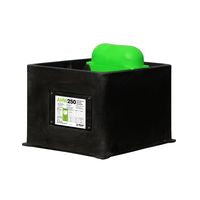

SHOP THE UNDER 80 GALLON OPEN-TOP WATERERS
Specifications
- Trough Height: 24 inches
- Overall Dimensions: Approx 34" L x 29" W x 30" H
- Weight: Approx 73 pounds
- Animal Capacity: 250
- Water Valve: Self-cleaning, non-siphoning valve system
- Construction: Polyethylene with UV, rust, and corrosion resistance
- Heater: Infrared heat pad (42°F-73°F water temp)
- Electric: 2.3 Amps, 250 watts
- Pressure: 25-55 PSI recommended (regulators available for other ranges)

Other available options
- Standard Heated Waterer - for horses and cattle with an 80-gallon capacity
- Small Animal Heated Waterer - has a 16" trough height for calves and sheep
Key Features:
- Construction: One-piece polyethylene design resists rust, corrosion, warping, and denting for long-lasting performance.
- Safe Heating System: Low-wattage infrared heat pad activates at 42°F and shuts off at 73°F, maintaining the ideal water temperature for livestock.
- Innovative Valve System: The self-cleaning valve eliminates hard water deposits, while the non-siphoning float valve ensures clean, backflow-free water.
- Double Insulation: Thick Styrofoam floor and poly walls create an effective thermal barrier to prevent freezing.
- UV Protection: Premium materials retain structural integrity and color vibrancy, even in harsh outdoor conditions.
- Livestock-Friendly Design: The 24-inch trough height is ideal for horses, cattle, and other long-necked animals, making it accessible and easy for them to drink.
- Easy Maintenance: Removable drain plugs and accessible doors simplify cleaning and make adjustments hassle-free.
- Pressure Compatibility: Best suited for 25-55 PSI, with optional regulators available for use with higher or lower pressure lines.
The Dangers of Not Providing Enough Water to Cattle in the Winter
During the winter months, ensuring that cattle have access to a reliable, ice-free water source is critical for their health and well-being. Cold temperatures can cause water sources to freeze, leading to dehydration, poor digestion, and even more severe health complications. Cattle, like all livestock, rely heavily on water for various essential bodily functions, including digestion, nutrient absorption, temperature regulation, and overall cellular function.
Dehydration and Health Issues
Without access to water, cattle may become dehydrated, a condition that can quickly lead to other serious health concerns. Dehydration reduces blood flow, increases the risk of digestive issues like colic, and impairs their ability to absorb essential nutrients from their food. Even mild dehydration can cause a decrease in feed intake, resulting in weight loss and lowered immune function. In extreme cases, dehydration can lead to organ failure and death.
Decreased Feed Intake and Weight Loss
Water plays an integral role in digestion. When cattle cannot drink enough water, they may have a reduced appetite or difficulty breaking down and absorbing nutrients from their feed. This can lead to poor weight gain, loss of condition, and overall reduced productivity. The cold of winter combined with inadequate water can exacerbate these issues, especially for pregnant or lactating cows that need extra hydration to sustain their energy levels and maintain milk production.
Impact on Reproductive Health
Cattle's reproductive health can also suffer when water intake is insufficient. Dehydration can lead to fertility issues, reduced conception rates, and poor calving outcomes. A consistent supply of water is vital for the health of both the pregnant cow and her developing calf. Without adequate hydration, cattle may struggle to maintain the energy and body condition needed for reproduction and successful breeding.
Cold Stress and Temperature Regulation
In the winter, cattle need more energy to maintain their body temperature, which increases their overall water and energy requirements. Without a continuous source of water, cattle may become more susceptible to cold stress. Cold stress occurs when animals use excessive energy to keep warm, leaving them more vulnerable to illness and a weakened immune system. This, in turn, makes them less efficient in converting food into body heat and energy, causing a significant strain on their health.
How a Heated Waterer Can Help
A heated waterer is the ideal solution for providing cattle with a consistent, ice-free water supply during the winter months. By preventing water from freezing, a heated waterer ensures that cattle have access to fresh water at all times, even in sub-zero temperatures. The infrared heat pad or similar heating technology maintains a consistent water temperature, ensuring that cattle can drink whenever they need, without the risk of frozen water sources.
By using a heated waterer, ranchers can also help reduce the amount of time spent checking and breaking ice, improving operational efficiency during the winter. These waterers are designed to withstand harsh conditions and are built with insulation and durable materials that keep water accessible without posing safety risks, such as shock hazards to animals.
Overview
The importance of providing a constant source of ice-free water for cattle in the winter cannot be overstated. Water is vital for their overall health, digestion, and temperature regulation. Without it, they face risks of dehydration, reduced feed intake, and poor productivity. A heated waterer is an essential investment that ensures your cattle stay hydrated and healthy throughout the winter months, leading to better overall health, higher productivity, and improved welfare for your livestock.