

Please call, email, or chat below for a quote with shipping today!
SHOP ALL OF OUR HEAT PADS
Heating Pad Description
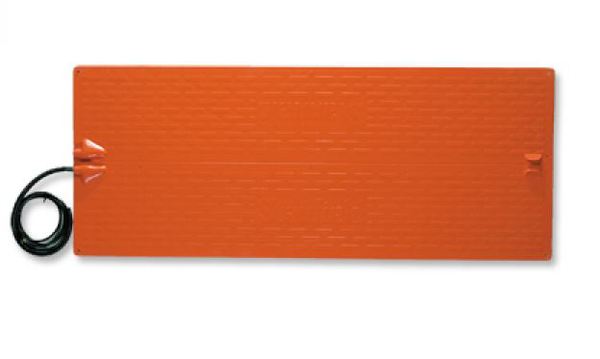
To provide the best and healthiest growing environment for your newborn pigs, use an Osborne Farrowing Heat Pad, and your pigs will thrive. These heat pads are water-tight and made from extremely durable material, ensuring an even heat distribution without any hot spots. The pad warms to 30-35 degrees above the surrounding air temperature, keeping your pigs comfortable as they grow. These wonderful pads are also available as Nursery Heat Pads
Quick Details
- Use with up to 10 pigs per side
- Only uses 3.48 kWh/day/litter
- 120 VAC standard wall plug
- Optional Heat ControllersA
- A 10-ft power cord comes standard with the mat
- See all of our Farrowing Heat Pads
Key features of the heating pad include the ability to support over 10 pigs per side, an energy consumption of 3.48 kWh per day per litter, a 120 VAC power supply, and a convenient 10-foot power cord.
Technical Specification Table
| Model Number | S2B5 |
| Size | 2 x 5 ft. (0.61 x 1.52 m) |
| Animals Served | Over 20 |
| Maximum Power Output | 280 watts |
| Voltage | 120 / 240 |
| Power Cord* | 10 ft. (3 m) |
| Maximum Energy Used | 3.36 kWh/Day/Litter |
| Temperature | 30-35° F (16-20° C) above air temperature |
PICTURES OF THE FARROWING HEAT PAD
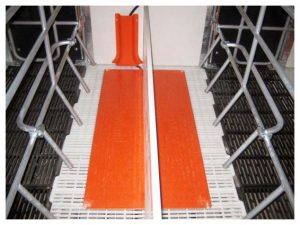
Piglet Heating Pad Station Ready For Nursing
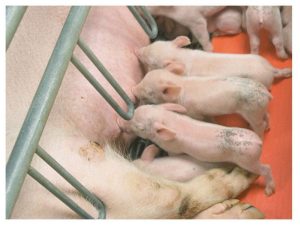
Piglets Nursing on the Farrowing Heat Pad
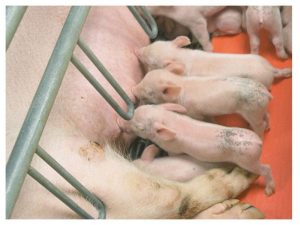
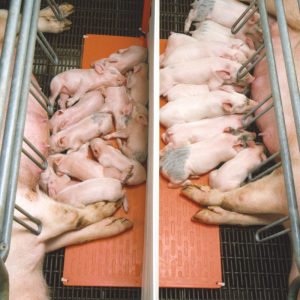
Two Litters on a Single Heating Pad

Piglets Resting

Benefits of Using a Heating Pad When Raising Pigs
Using a heating pad when raising pigs, particularly for piglets in their early stages of life, offers several critical benefits that enhance both the health and welfare of the animals, as well as providing practical advantages for farm management. These benefits range from supporting the physical development of the piglets to improving overall operational efficiency for the farm.
Health Benefits for Piglets
Newborn pigs are particularly vulnerable to cold stress, which can impair their growth, weaken their immune systems, and even result in death in extreme cases. A heating pad provides a consistent, warm environment that helps regulate the body temperature of piglets, which is crucial for their development in the first few weeks of life. By maintaining a temperature that is 30-35°F (16-20°C) above the surrounding air temperature, the heating pad ensures that piglets remain comfortable and protected from the cold.
When piglets are kept warm, they are less likely to experience stress and discomfort, which can otherwise lead to reduced appetite, poor weight gain, and vulnerability to illness. The warmth encourages healthy circulation, boosts metabolism, and ensures that the piglets are comfortable while they rest, sleep, and nurse. This support allows them to focus energy on growth rather than struggling to maintain body heat, resulting in faster, healthier growth rates.
Safety and Overheating Prevention
Compared to traditional heat lamps, which can be dangerous if improperly installed or monitored, heating pads offer a much safer and more controlled heat source. Overheating is a significant risk with heat lamps, as they can fluctuate in temperature and, if too close to the animals, may cause burns or even start a fire. Heating pads, on the other hand, provide consistent and even heat, reducing the risk of hot spots or temperature fluctuations that can stress the piglets.
With a heating pad, there’s also no need for potentially hazardous cords or exposed elements that curious piglets can chew on. The controlled environment ensures that the pigs are always comfortable, and the heat provided is regulated based on the ambient temperature of the barn, so the risk of overheating is minimized. In short, a heating pad gives farmers greater peace of mind, knowing that the risk of fire or injury due to overheating is significantly lower compared to heat lamps.
Economical Benefits
Heating pads offer a more energy-efficient heating solution compared to traditional heating methods like heat lamps. The power usage is typically much lower, with some heating pads consuming only 3-4 kWh per day, making them an economical choice for small and large operations. By providing just enough heat to keep piglets comfortable without excessive energy waste, heating pads help reduce utility costs while ensuring that the animals receive the warmth they need.
Additionally, unlike lamps that may require regular bulb replacements and frequent adjustments, heating pads are low-maintenance and durable. Their design ensures long-term reliability, meaning fewer replacement costs and reduced labor for farm staff. The ability to quickly and easily move or reposition the heating pad as needed adds flexibility to farm management, improving its overall cost-effectiveness.
Waterproof Design and Easy Cleaning
Farming environments can be messy, and maintaining cleanliness is essential to preventing the spread of disease. The waterproof design of heating pads ensures that they are resistant to water, liquids, and moisture from spills, which makes them ideal for use in pig barns, where cleaning and hygiene are priorities. With a waterproof heating pad, there’s no concern about water damage or corrosion that could potentially affect the performance or safety of the equipment.
Cleaning is also made easier with the durable, non-porous surface of the heating pad, which can be wiped down or hosed off as needed. This ensures a hygienic environment for the piglets, which is essential for disease prevention. Additionally, because heating pads are designed to withstand cleaning, they maintain their effectiveness and longevity, saving time and effort for farmers and reducing the need for constant replacement.
Portability and Flexibility
Heating pads are portable, making them ideal for various farm environments. Unlike traditional heating systems that may require extensive installation, heating pads can be easily moved, repositioned, or used in different areas of the barn as needed. This flexibility makes them ideal for use in various setups, such as farrowing pens, where space and temperature conditions may vary. The ability to adjust the pad’s position allows farmers to customize the warmth for each group of piglets, ensuring optimal comfort.
Hellp your piglets start on the right foot
Using a heating pad when raising pigs, especially for newborn piglets, offers numerous advantages. From promoting healthier growth and development to enhancing safety, reducing energy costs, and simplifying cleaning and maintenance, heating pads provide a practical, cost-effective, and safer alternative to traditional heating methods like heat lamps. Their waterproof, durable design and ease of use make them a valuable investment for any pig farm, ensuring that both the piglets and the farmers benefit from a reliable and efficient heat source.