
SEE ALL OF OUR ANIMAL WATERERS
The Automatic Water Valve is a float-operated refill kit designed to maintain water levels in compatible enclosed livestock watering tanks, including the 80-gallon hog waterer. As animals drink and the reservoir level drops, the valve opens to admit replacement water. When the water reaches the operating level, the float mechanism closes the valve to stop the flow.
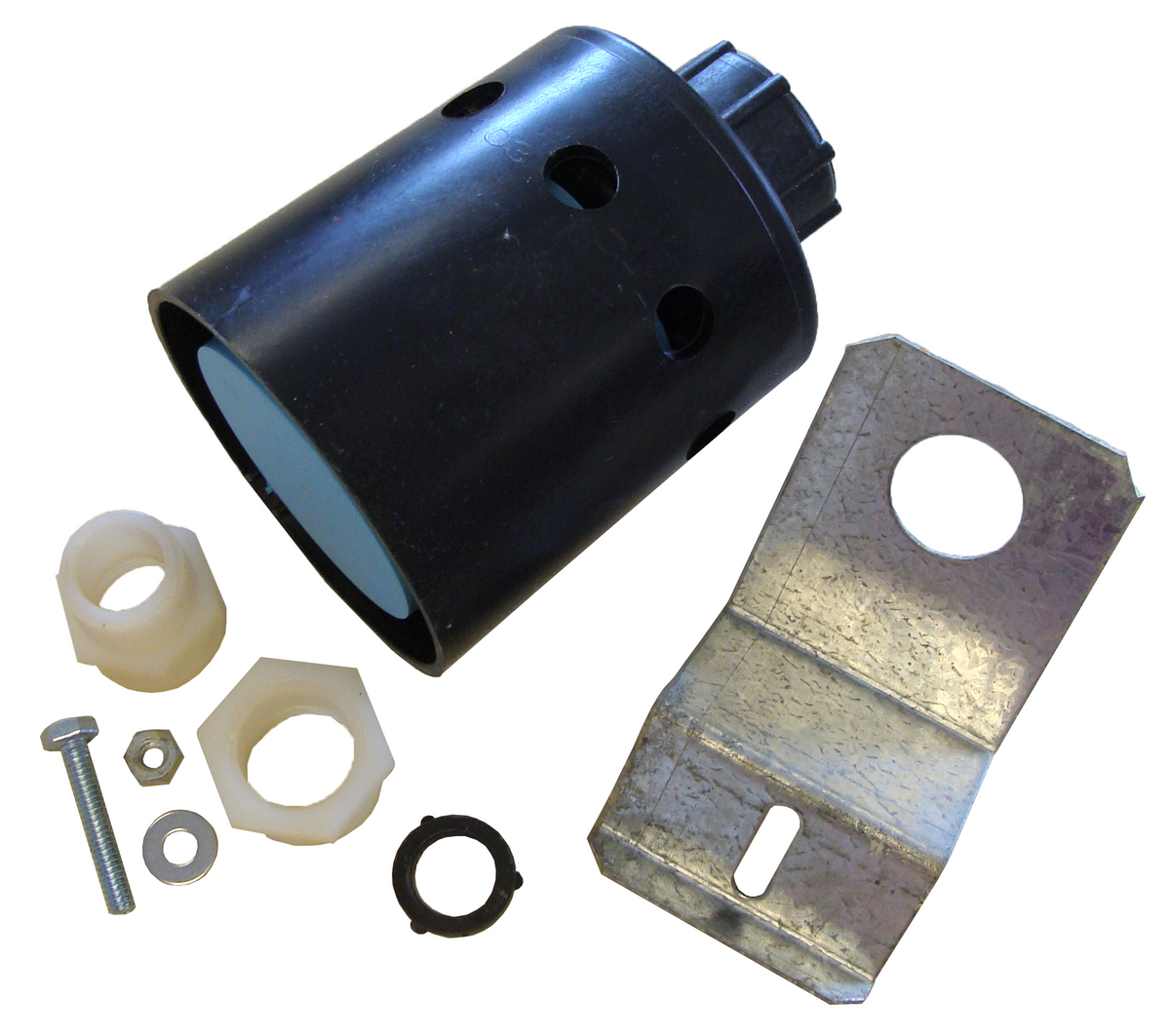
This automatic hog waterer valve includes a garden hose adapter, steel mounting bracket, reducer, and mounting hardware. It can reduce manual refilling while helping maintain a more consistent water supply. Explore Barn World's livestock waterers or browse hog waterers to identify a compatible watering system.
Important compatibility note: This kit is intended for compatible enclosed waterers. It is not a universal replacement valve for every stock tank or livestock trough. Confirm the mounting arrangement, inlet connection, and required water pressure before ordering.
Automatic Water Valve Specifications
| Specification | Details |
|---|---|
| Product type | Automatic water refill valve kit |
| Operating mechanism | Float-operated automatic shutoff |
| Intended compatibility | Compatible enclosed livestock tanks, including the specified 80-gallon hog waterer |
| Water connection | Standard garden hose adapter included |
| Mounting | Steel bracket and mounting hardware |
| Additional component | Reducer |
| Listed weight | Approximately 2 pounds |
| Electrical power | Not required for mechanical float operation |
Exact operating pressure limits, flow rate, and replacement-part compatibility should be confirmed for the intended watering system. These specifications are not provided in the existing product listing.
How an Automatic Hog Waterer Valve Works
The valve uses a mechanical float to respond to changes in the reservoir's water level. Its operation follows a repeating refill cycle:
- Animals drink: Water is consumed from the livestock waterer, reducing the reservoir level.
- The float drops: As the water level decreases, the float mechanism allows the inlet valve to open.
- Replacement water enters: Water flows from the connected supply into the reservoir.
- The float rises: As the tank refills, the float moves upward toward the shutoff position.
- The valve closes: At the operating water level, the mechanism stops the incoming flow.
This process can reduce the labor involved in manually refilling a tank. However, dependable operation requires an adequate water supply, appropriate pressure, correct installation, and a functioning valve.
The valve does not independently monitor water quality, detect all plumbing failures, or guarantee that livestock will always have drinking water. Regular inspections remain necessary.
What's Included in the Automatic Water Valve Kit?
The original product listing identifies the following components:
- Automatic shutoff valve: Controls incoming water according to the float position.
- Reducer: Included as part of the inlet connection arrangement.
- Garden hose adapter: Provides a connection for a compatible standard garden hose supply.
- Steel mounting bracket: Supports the valve within the intended watering system.
- Mounting hardware: Used to secure the assembly in the compatible installation.
The kit has a listed weight of approximately 2 pounds. Confirm the components required for your particular waterer before ordering, especially if replacing an existing valve assembly.
Automatic Water Valve Product Photos
Automatic Valve and Mounting Components
This original product photograph shows the automatic water valve used with a compatible utility hog waterer.
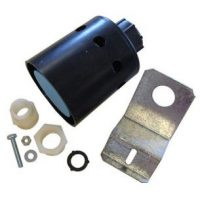
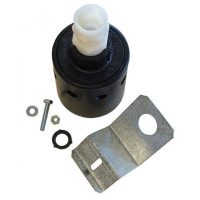
Livestock Water Valve Assembly
The valve assembly is intended to regulate incoming water in a compatible enclosed reservoir.
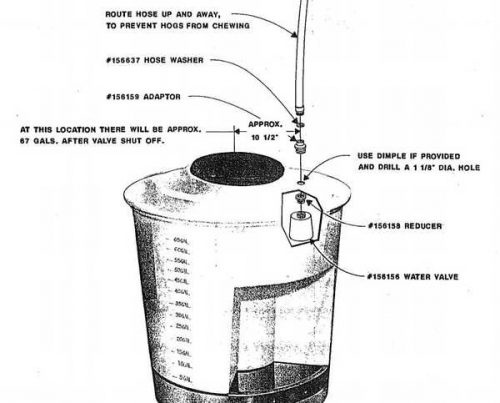
Hog Waterer Valve Diagram
Review the original diagram when identifying the valve arrangement and planning installation or replacement.
Choosing a Compatible Livestock Waterer
The most important purchasing consideration is whether the valve fits the tank in which it will be installed.
Compatibility With the 80-Gallon Hog Waterer
The original listing identifies the 80-gallon hog waterer as an intended application. If you are replacing a valve in an existing unit, compare its mounting bracket, connection arrangement, and water-level control mechanism with the replacement kit.
Review the hog waterer collection for available watering equipment. Confirm the specific model before assuming this kit is interchangeable with other waterers.
Using the Valve With Other Livestock Tanks
Although automatic float valves are used in cattle, sheep, goat, horse, and hog watering systems, individual valve designs are not necessarily interchangeable.
Before selecting this kit for another tank, verify the available mounting space, water inlet, connection size, float clearance, and operating pressure.
For different watering configurations, explore Barn World's livestock watering equipment.
Installing the Automatic Water Valve
Installation should follow the instructions for the valve and the specific livestock waterer. The steps below describe general planning and testing considerations rather than a substitute for the manufacturer's installation procedure.
1. Shut Off the Water Supply
Turn off the incoming water and relieve any remaining pressure before disconnecting an existing valve or working on the inlet plumbing.
2. Confirm the Mounting Arrangement
Check that the supplied bracket fits the intended tank and allows the float mechanism to move freely throughout its operating range.
Position the assembly according to the manufacturer's instructions. An incorrectly positioned float may cause incomplete refilling or prevent proper shutoff.
3. Connect the Water Supply
Use the supplied garden hose adapter where appropriate for the installation. Check that all connections are compatible with the supply plumbing and operating pressure.
Support exposed hoses and fittings so animals cannot pull on or damage the connection. Follow applicable plumbing requirements, including appropriate backflow protection.
4. Test the Refill and Shutoff Cycle
Restore the water supply and observe the valve while the reservoir fills.
Verify that water enters when the float is low and stops when the intended level is reached. Check all connections for leakage.
5. Confirm Reliable Operation
Observe another refill cycle after the water level has dropped. Confirm that the float moves freely and that the valve closes without continuous dripping or overflow.
Inspect the system regularly after installation, especially during the initial operating period.
Automatic Water Valve Installation Video
The original product listing includes the following installation video. Review the instructions and confirm that the demonstrated valve configuration matches your equipment.
Benefits of Automatic Water-Level Control
Less Manual Refilling
When installed correctly and connected to a reliable water supply, the valve can replenish the reservoir as animals drink. This reduces the need to manually add water throughout the day.
It does not eliminate the need to inspect the waterer and verify that livestock have adequate access to drinking water.
More Consistent Reservoir Levels
Float-operated control helps maintain water near the intended operating level. This can be particularly useful when water consumption changes throughout the day.
Actual refill performance depends on the incoming supply pressure, flow capacity, valve condition, and number of animals using the waterer.
Reduced Risk of Overflow During Normal Operation
A functioning automatic shutoff closes the inlet when the reservoir reaches its operating level. This can help prevent unnecessary water loss during routine refilling.
However, debris, mechanical wear, incorrect adjustment, or damaged components can interfere with shutoff. The valve should never be treated as an absolute guarantee against overflow.
Mechanical Operation Without Electrical Power
The float mechanism operates mechanically and does not require electricity to open or close.
It still depends on a functioning water supply. If the source is a well with an electric pump, a power outage may interrupt water delivery even though the valve itself requires no electrical power.
Maintenance and Troubleshooting
Regular inspection helps identify problems before they interrupt livestock watering.
Waterer Does Not Refill
Check that the incoming water is turned on and that the supply has adequate pressure. Inspect the inlet for blockage and verify that the float mechanism is not stuck in the closed position.
Also check for frozen lines or damaged hoses where cold-weather conditions are present.
Water Continues Running
If the valve does not shut off at the intended level, inspect the float's movement, mounting position, and valve mechanism.
Sediment, wear, or damaged components can prevent a proper seal. Shut off the supply before servicing the assembly.
Water Level Is Too Low
A low operating level may indicate inadequate incoming flow, an incorrect float position, or an obstruction in the supply connection.
Confirm the manufacturer's adjustment procedure before changing the valve setting.
Water Supply Freezes
This automatic valve is not a heating device. It does not prevent freezing in exposed hoses, supply lines, or the reservoir.
For winter use, select a compatible watering system and freeze-protection arrangement appropriate for local conditions.
Frequently Asked Questions
What does an automatic hog water valve do?
It opens to admit replacement water when the reservoir level drops and closes when the float reaches the operating shutoff level.
Does the valve fit every livestock stock tank?
No. This kit is intended for compatible enclosed watering tanks. Confirm mounting, inlet connections, pressure requirements, and float clearance before ordering.
Does it work with an 80-gallon hog waterer?
The original product listing identifies the 80-gallon hog waterer as an intended application. Verify the specific model and valve configuration before purchasing a replacement.
Can it connect to a garden hose?
Yes. The kit includes an adapter for a compatible standard garden hose connection. Confirm supply pressure and installation requirements.
Does the valve need electricity?
No electricity is required for the mechanical float operation. However, the connected water supply may depend on electrical equipment.
Will the valve prevent all overflows?
No. A correctly functioning valve shuts off incoming water at its operating level, but mechanical failure, debris, or incorrect installation can still cause overflow.
Can I stop checking my waterer every day?
No. Livestock waterers should be checked routinely for water availability, cleanliness, leaks, freezing, and proper valve operation.
Can this valve be used in freezing temperatures?
The valve itself does not provide freeze protection. Winter operation requires a suitable waterer and protection for exposed plumbing.
What comes with the kit?
The listed components include the automatic valve, reducer, garden hose adapter, steel mounting bracket, and mounting hardware.
How much does the valve kit weigh?
The original listing specifies an approximate weight of 2 pounds.
Order an Automatic Water Valve for Your Livestock Waterer
This automatic refill valve kit is intended to help maintain water levels in compatible enclosed livestock waterers, particularly the specified 80-gallon hog watering system.
Before ordering, confirm your existing waterer model, valve mounting arrangement, and supply connection. If you are unsure whether this kit will fit, contact Barn World with your waterer information.
For product questions, availability, or shipping assistance, contact Barn World at (720) 238-2190 or Sales@BarnWorld.com.
For complete watering equipment, browse our hog waterers and livestock waterers.